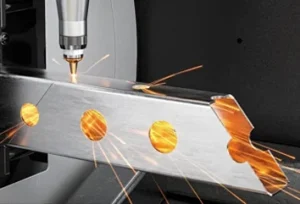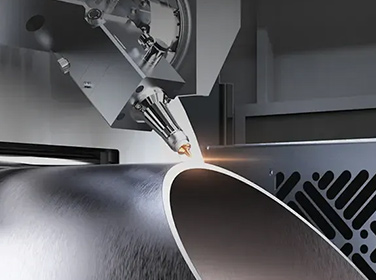
Titanium alloy can be laser cut, but it requires careful process control because titanium is sensitive to heat input, oxidation, edge quality and dimensional tolerance. For medical-device-related prototypes, aerospace-related brackets and precision engineering components, buyers should confirm alloy grade, thickness, drawing tolerance, edge finishing requirement and whether sample validation is needed before production.
Titanium laser cutting is used for titanium sheet components, lightweight brackets, precision engineering parts, test coupons, development samples and medical-device-related prototypes. Titanium alloys are valued because they offer a strong combination of low weight, high strength, corrosion resistance and engineering performance. However, titanium is not processed like ordinary mild steel or aluminum.
For buyers in Singapore, titanium alloy cutting often appears in higher-value projects such as medical technology development, aerospace-related prototypes, robotics, automation systems, research projects and precision engineering components. In these applications, the cut part is not judged only by its outer shape. Edge quality, heat-affected zone, oxidation, burr, flatness, drawing tolerance and finishing requirements all matter.
This guide explains how titanium alloy laser cutting works, why titanium requires careful process control, what quality issues buyers should check and when sample validation is recommended before production.
Key Takeaways
- Titanium alloy can be laser cut, but process control is more important than with many common metals.
- The main quality concerns are heat-affected zone, oxidation, burr, dross, flatness and edge finishing.
- Titanium parts used in medical-device-related prototypes or aerospace-related brackets should be reviewed carefully before production.
- One titanium cutting parameter does not work for every alloy, thickness or surface condition.
- Drawing tolerance, hole size, slot width and edge finish requirements should be confirmed before quotation.
- Sample validation is recommended for new titanium parts, tight tolerances or function-critical components.
- Buyers should separate prototype cutting from certified medical or aerospace production unless formal certifications are clearly confirmed.
Can Titanium Alloy Be Laser Cut?
Yes, titanium alloy can be laser cut. Laser cutting is often used for flat titanium sheet components, prototype brackets, lightweight structural parts, test coupons, precision plates and engineering development components.
However, titanium should not be treated as a routine mild steel cutting job. The process must consider heat input, oxidation, edge condition, alloy grade, material thickness and final application. For a broader overview of local cutting capabilities, see Lumen Future’s guide to laser cutting services in Singapore.
Common reasons buyers choose laser cutting for titanium sheet parts
| Requirement | Why Laser Cutting May Help |
|---|---|
| Custom geometry | No dedicated cutting die is required for prototype or small-batch shapes. |
| Small-batch prototypes | Suitable for development, sample review and design revisions. |
| Flat titanium sheet parts | DXF or DWG files can define precise 2D profiles. |
| Lightweight structures | Titanium supports high strength-to-weight designs. |
| Precision brackets | Hole position, slot width and edge quality can be reviewed before production. |
| Test samples | Useful before committing to a more formal production route. |
Why Titanium Alloy Cutting Needs Careful Process Control
Titanium alloy cutting requires careful process control because titanium reacts strongly to heat, surface condition and edge quality requirements. The goal is not only to cut the material, but to keep the cut edge acceptable for the final use.
Heat-Affected Zone
The heat-affected zone matters because excessive heat can affect edge appearance, local material condition and downstream finishing. The goal is not to eliminate all heat exposure. Instead, the process should keep the heat-affected zone controlled and acceptable for the application.
For titanium brackets, fixtures or development parts, the acceptable HAZ depends on material grade, thickness, part geometry, edge quality requirement, whether the part is visible or hidden and whether it will be cleaned, polished, coated or assembled later.
Oxidation and Heat Tint
Titanium can show heat tint or oxidation near the cut edge if thermal input and gas environment are not controlled. Edge color may appear blue, purple, grey, dark or uneven depending on the process and post-processing.
For some prototype or hidden structural parts, minor edge color may be acceptable. For visible parts, precision engineering components or parts requiring further finishing, oxidation tolerance should be discussed before production.
Do not leave oxidation expectations unclear
If edge color, cleaning or downstream finishing matters, state this before quotation. A titanium part used as a hidden prototype bracket may have different edge acceptance criteria from a visible precision component.
Edge Burr and Dross
Titanium laser cutting can produce burr, dross or recast material if the process is not matched to the alloy, thickness and geometry. Burr is especially important when the part will be handled, assembled or placed near other precision components.
For brackets, fixtures and aerospace-related prototype parts, burr can affect hole fit, assembly clearance and handling safety. For medical-device-related prototypes, edge cleanliness and finishing expectations should be confirmed before production. If your project requires clean edges, review Lumen Future’s guide to polishing and deburring after laser cutting.
Flatness and Heat Distortion
Thin titanium parts, narrow strips and small brackets may require attention to heat distribution and cutting sequence. If too much heat accumulates in a small area, the part may warp, bow or lose flatness.
Flatness is especially important for mounting brackets, test fixtures, thin structural parts, aerospace-related prototypes and components that must assemble with screws, pins or mating plates. If flatness is critical, it should be stated in the drawing or RFQ notes.
Alloy Grade and Thickness Differences
Titanium is not one single material. Commercially pure titanium, Ti-6Al-4V and other titanium alloys may behave differently during cutting. Thickness, surface condition and alloy grade affect cutting speed, edge quality, HAZ, oxidation and whether sample validation is needed.
A setting that works on one titanium alloy may not work on another. A thin titanium sheet may cut differently from a thicker plate. A simple rectangular profile may behave differently from a part with small holes, narrow slots and sharp corners.
Titanium Laser Cutting vs Other Metals
Titanium is usually selected not because it is the cheapest material to cut, but because the application needs a combination of strength, low weight, corrosion resistance or high-value engineering performance.
| Material | Main Cutting Concern | Typical Use |
|---|---|---|
| Mild steel | Oxidation, thickness and edge quality | General fabrication |
| Stainless steel | Heat tint, burr and finish requirement | Enclosures, panels, brackets |
| Aluminum | Reflectivity, heat conductivity and distortion | Lightweight parts and prototypes |
| Copper | Reflectivity, heat conductivity and burr | Busbars, connectors and conductive parts |
| Brass | Reflectivity, edge color and visible finish | Signs, decorative plates and engraved parts |
| Titanium alloy | HAZ, oxidation, edge finishing and tolerance | Medical-device-related prototypes, aerospace-related brackets and precision parts |
Compared with aluminum, titanium is generally more expensive and more application-sensitive. Compared with copper and brass, titanium is less about decorative appearance or conductivity and more about engineering performance. For material process selection across different metals, see the guide to choosing the right laser process for different materials.
Titanium Sheet Cutting: What Buyers Should Know
Titanium sheet cutting is most suitable for flat parts such as brackets, plates, covers, test coupons, lightweight structural components and prototype engineering parts.
For quotation, buyers should provide a 2D DXF or DWG file, material grade, thickness, quantity and critical dimensions. If the part includes bending, 3D geometry or assembly relationships, a STEP file and reference PDF may also help the supplier review the design more accurately. For file preparation details, see Lumen Future’s guide on how to prepare CAD files for laser cutting.
| Project Detail | Why It Matters |
|---|---|
| Titanium grade | Different titanium alloys may cut differently. |
| Sheet thickness | Affects speed, edge quality, HAZ and cost. |
| Hole size | Small holes may need process review. |
| Slot width | Narrow slots can be sensitive to heat and geometry. |
| Edge finish | Determines whether deburring or polishing is needed. |
| Flatness | Important for brackets and assembly parts. |
| Critical tolerance | Helps identify inspection priorities. |
| Final application | Prototype, bracket, fixture or precision component. |
Application Notes for Medical-Device-Related Prototypes
Titanium is widely associated with medical technology because of its engineering properties. However, laser cutting content should be written carefully. Unless certified medical production requirements are formally confirmed, it is safer and more accurate to describe prototype components, development parts, test fixtures, non-implant parts and precision engineering components.
Prototype and development context
Use terms such as medical-device-related prototypes, non-implant development parts, test fixtures, engineering samples and precision components.
Regulated production claims
Do not imply certified medical implant or regulated production capability unless certifications, traceability and quality documentation are formally confirmed.
Titanium laser cutting may be relevant for medical-device-related prototypes, non-implant development parts, instrument-related test components, test fixtures, evaluation samples, engineering development plates, brackets, support components and R&D samples before formal production.
Non-Implant Prototype Parts
For non-implant prototypes, titanium cutting may be used to validate geometry, fit and handling before a project moves to a more formal manufacturing process. At this stage, laser cutting can support fast design changes and small-batch sample production.
However, prototype cutting should not be presented as certified medical production unless documentation, quality systems and certifications are clearly established.
Test Fixtures and Development Parts
Engineering teams may need titanium test pieces before moving to certified production. In this stage, laser cutting can help validate geometry, assembly fit and feature placement.
Common review points include hole position, edge burr, flatness, surface condition, oxidation tolerance, whether the part will be cleaned or finished later and whether the part will touch another precision component.
Certification Requirements Must Be Clarified Separately
A medical-device-related prototype is not the same as a certified medical production part. If a project requires ISO 13485, cleanroom processing, traceability, implant-grade documentation or regulatory manufacturing control, those requirements must be reviewed separately before accepting the job.
Application: Medical-device-related fixture or non-implant prototype
Certification requirement: No certified medical production requirement at this stage
Review focus: Edge burr, oxidation, flatness and fit check
Application Notes for Aerospace and Precision Engineering Parts
Titanium is also used in aerospace-related and precision engineering projects because it offers a high strength-to-weight ratio and good corrosion resistance. For laser cutting service content, it is best to describe these as aerospace-related prototypes, lightweight brackets, UAV components, robotic parts or precision engineering samples unless certified aerospace production requirements are formally confirmed.
Typical non-certified development and precision engineering use cases
Lightweight Brackets
Titanium brackets are often used when weight matters, but strength and corrosion resistance are also important. These parts may include holes, slots, tabs and mounting features that need accurate positioning.
For bracket parts, buyers should specify hole diameter, hole spacing, edge-to-hole distance, bend or assembly requirements, critical tolerance, flatness requirement, whether burr is acceptable and whether edge finishing is required.
UAV and Robotic Components
UAV and robotic projects often involve lightweight structural parts, support plates, custom brackets and test components. In early development, laser cutting can help teams produce small batches quickly and adjust the design after testing.
Aerospace-Related Prototypes
For aerospace-related prototypes, the key is to separate prototype fabrication from certified aerospace production. Laser cutting may help produce development parts, test pieces and non-flight prototype components, but certified aerospace manufacturing requirements must be reviewed separately.
Common Quality Challenges in Titanium Alloy Cutting
Titanium laser cutting quality should be checked across the edge, holes, surface and flatness. Some issues may not be obvious from the top surface alone.
| Challenge | What It Looks Like | Why It Matters |
|---|---|---|
| Heat-affected zone | Color or material change near cut edge | May affect edge quality and finishing |
| Oxidation / heat tint | Blue, purple, grey or dark edge color | Important for appearance and downstream cleaning |
| Burr | Raised or sharp edge | Affects handling and assembly |
| Dross / recast | Melted residue on cut edge | May require edge finishing |
| Flatness change | Thin parts warp or bow | Affects assembly fit |
| Hole inaccuracy | Holes undersized or rough | Critical for brackets and fixtures |
| Edge roughness | Uneven cut boundary | Affects fit, finishing and appearance |
These issues are easier to manage when the drawing, tolerance, material grade and finishing expectations are clear before production.
Why Drawing Tolerance and Edge Finishing Matter
For titanium alloy cutting, the drawing should separate standard dimensions from critical dimensions. Not every edge requires the same tolerance. If all dimensions are marked as tight tolerance, the quotation may become slower or more expensive without improving the function of the part.
| Drawing Requirement | Why It Matters |
|---|---|
| Material grade | Different titanium alloys cut differently. |
| Thickness | Affects HAZ, speed and edge quality. |
| Critical dimensions | Helps supplier focus inspection. |
| Hole size | Small holes may need review. |
| Slot width | Narrow features may be sensitive to heat. |
| Edge finish | Determines deburring or polishing. |
| Flatness | Important for brackets and assembly. |
| Downstream process | Cleaning, bending, coating or assembly may affect requirements. |
For example, a titanium bracket may have several non-critical outer edges but only two critical hole positions. Marking every dimension as a tight tolerance can create unnecessary cost and review time. Marking the truly critical features helps the supplier focus on what matters.
When Should You Use Sample Validation for Titanium Alloy Cutting?
Sample validation is not just about proving that titanium can be cut. It is about confirming that the actual part, in the actual material and thickness, meets the required tolerance, edge condition, flatness and finishing standard.
Sample validation is recommended when:
- The titanium grade is new or unknown. Different alloys may behave differently.
- The tolerance is tight. Dimensional repeatability should be checked.
- The part is a medical-device-related prototype. Edge and finishing expectations may be strict.
- The part is an aerospace-related bracket. Hole position and flatness may be assembly-critical.
- The part is thin or narrow. Heat distortion risk may increase.
- Edge oxidation is not acceptable. Process and finishing need validation.
- The batch quantity is high. Sample approval reduces production risk.
- The part will be assembled later. Fit and burr should be checked early.
A good titanium sample review should check full cut-through, edge burr, heat tint or oxidation, hole quality, dimensional accuracy, flatness, surface condition, assembly fit and whether edge finishing is required.
What Buyers Should Prepare Before Requesting a Quote
A complete RFQ helps the supplier review titanium laser cutting more accurately. Missing material, tolerance or finishing information can delay quotation because titanium parts often require more careful review than standard sheet metal parts.
| Information to Provide | Why It Matters |
|---|---|
| Titanium grade | Grade 2, Grade 5 / Ti-6Al-4V or other alloys behave differently. |
| Thickness | Affects process setup, speed and HAZ. |
| Drawing file | DXF/DWG for 2D cutting, STEP for 3D review. |
| Quantity | Affects setup cost and unit price. |
| Critical tolerance | Helps identify inspection priorities. |
| Hole and slot size | Small features may need validation. |
| Edge finish requirement | Determines deburring or polishing needs. |
| Oxidation tolerance | Defines acceptable heat tint or edge color. |
| Application | Prototype, bracket, fixture or precision component. |
| Certification requirement | Must be clarified separately if applicable. |
Thickness: 1.2 mm
Quantity: 10 pcs prototype, possible 100 pcs after design validation
File: DXF attached, PDF drawing attached for dimensions
Application: Lightweight bracket for engineering prototype
Critical features: Hole position and slot width
Finish requirement: Deburr sharp edges; light heat tint acceptable on non-visible edges
Flatness requirement: Part should remain suitable for assembly
Certification: Prototype only, no certified medical or aerospace production requirement at this stage
Delivery: Required in Singapore within 7–10 working days if feasible
Titanium Laser Cutting Cost Factors
Titanium laser cutting cost depends on more than material thickness. Titanium is a high-value engineering material, so review time, process validation and finishing requirements may affect quotation.
Common factors that affect titanium cutting quotation
- Titanium grade and material sourcing
- Material thickness and cutting length
- Number of holes and internal features
- Required tolerance and inspection focus
- Sample validation requirement
- Deburring, polishing or cleaning requirement
- Oxidation tolerance and delivery schedule
For a broader explanation of pricing logic, see laser cutting cost in Singapore.
Titanium Laser Cutting in Singapore: Local Buyer Notes
For Singapore engineering teams, local titanium laser cutting can be useful when a project needs quick drawing review, small-batch prototype cutting, tolerance clarification and sample validation before moving to a more formal production process.
Where titanium prototype cutting may fit in Singapore projects
Local supplier communication is valuable when the drawing may change, material grade needs confirmation or sample validation is needed before production.
Medical technology development
Prototype fixtures, non-implant development parts and engineering samples where edge condition and documentation expectations should be clarified early.
Brackets and test parts
Lightweight parts, test coupons and custom components where critical dimensions, holes and flatness need review.
Development components
Small-batch structural parts, mounting plates and fixtures that may change after prototype testing.
Prototype and test work
Development brackets and non-flight prototype parts where certified aerospace production requirements must be reviewed separately.
For buyers comparing fabrication partners, see the guide on choosing a sheet metal fabrication supplier in Singapore.
Practical Quality Checklist for Titanium Parts
Use this checklist when reviewing titanium laser cut samples or production parts.
| Quality Item | What to Check |
|---|---|
| Full cut-through | No attached sections or incomplete cuts. |
| Edge condition | Burr, dross and roughness are within acceptable limits. |
| Heat tint | Edge color is acceptable for the application. |
| Hole quality | Holes are clean and correctly positioned. |
| Slot quality | Narrow slots are not distorted or rough. |
| Flatness | Part remains suitable for assembly. |
| Critical dimensions | Key dimensions match the drawing. |
| Assembly fit | Part fits with mating components as expected. |
Frequently Asked Questions
Can titanium alloy be laser cut?
Yes. Titanium alloy can be laser cut, especially for flat sheet components, prototype brackets, test coupons and precision engineering parts. The cutting result depends on alloy grade, thickness, heat input, edge quality requirement and final application.
Is titanium laser cutting suitable for medical parts?
Titanium laser cutting may be suitable for medical-device-related prototypes, test fixtures, development samples and non-implant precision components, depending on material, tolerance and finishing requirements. Certified medical production requirements must be reviewed separately and should not be assumed without confirmed certifications and documentation.
Can titanium be used for aerospace brackets?
Titanium may be used for aerospace-related brackets, lightweight structural prototypes, UAV components, test coupons and precision engineering parts. Certified aerospace production requirements must be reviewed separately if the part is intended for regulated or flight-critical use.
What is the heat-affected zone in titanium cutting?
The heat-affected zone is the area near the cut edge that has been exposed to high temperature during cutting. In titanium laser cutting, controlling the HAZ matters because excessive heat can affect edge appearance, oxidation, finishing and local material condition.
Does titanium oxidize during laser cutting?
Titanium can show oxidation or heat tint near the cut edge during laser cutting. The edge color may be acceptable for some prototype or hidden parts, but it should be discussed before production if appearance, cleaning or downstream finishing is important.
Does titanium laser cutting leave burr?
Titanium laser cutting can leave burr or dross if the process is not matched to the alloy, thickness and feature geometry. Burr can often be reduced through process optimization and may also be addressed through deburring or edge finishing.
What titanium grade should I specify?
Buyers should specify the exact titanium grade if known, such as commercially pure titanium or Ti-6Al-4V. Different grades may cut differently, so material grade helps the supplier evaluate process requirements and whether sample validation is needed.
What file format should I send for titanium cutting?
DXF or DWG files are usually preferred for 2D titanium sheet cutting. A PDF drawing should also be included for dimensions, tolerance and notes. If the part has bending, 3D geometry or assembly relationships, a STEP file may be useful for review.
Is sample validation needed for titanium alloy cutting?
Sample validation is recommended when the titanium grade is new, tolerance is tight, edge oxidation is not acceptable, the part is thin or narrow, the geometry includes small holes or slots, or the part is used in medical-device-related, aerospace-related or other function-critical applications.
How much does titanium laser cutting cost in Singapore?
Titanium laser cutting cost depends on alloy grade, thickness, cutting length, feature complexity, tolerance, quantity, finishing requirements and whether sample validation is needed. High-value titanium parts often require more review than standard sheet metal parts.
See More Laser Cutting and Fabrication Videos
Watch Lumen Future process videos to understand how drawings, materials and finishing requirements become finished parts.
Watch Videos →Related Guides
- Laser Cutting Services in Singapore: The Complete Buyer’s Guide
- Sheet Metal Fabrication Singapore: Choosing the Right Supplier
- How to Prepare CAD Files for Laser Cutting
- Polishing & Deburring After Laser Cutting
- Fiber vs CO2 vs UV Laser: Choosing the Right Process for Your Material
- How Much Does Laser Cutting Cost in Singapore?
- Aluminum 6061 vs 5052 Laser Cutting in Singapore
- Copper Laser Cutting in Singapore
- Brass Laser Cutting & Engraving in Singapore
Need Titanium Laser Cutting in Singapore?
Send your drawing file, material grade, thickness, quantity and application requirements to Lumen Future for review.
- Confirm titanium grade and thickness before quotation.
- Mark critical dimensions, holes and flatness requirements clearly in your drawing.
- Clarify edge finishing, oxidation tolerance and certification requirements before production.