
Laser Engraving & Marking
Permanent Laser Engraving in Singapore
Permanent laser engraving on metals, plastics, glass, ceramics and more. Serial numbers, logos, QR codes, barcodes, deep engraving — no inks, no wear, no fading. Marks that survive harsh environments, chemical exposure, and years of use.
Laser Engraving Samples
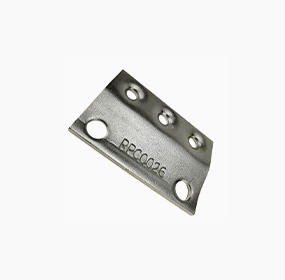
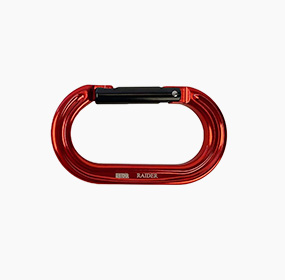
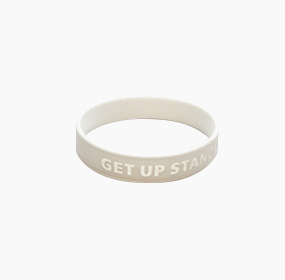
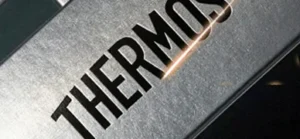
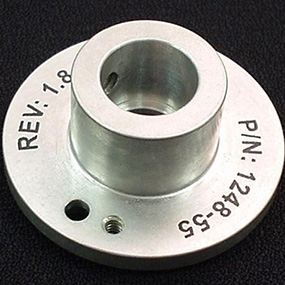
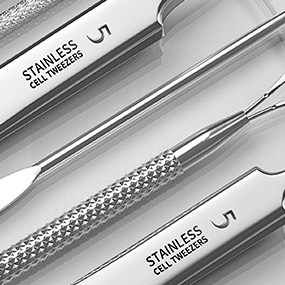
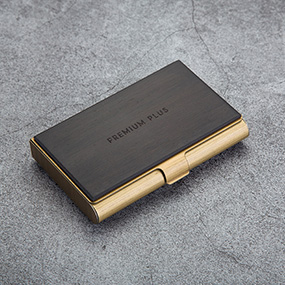
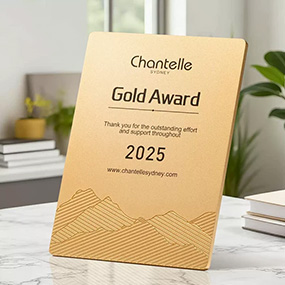
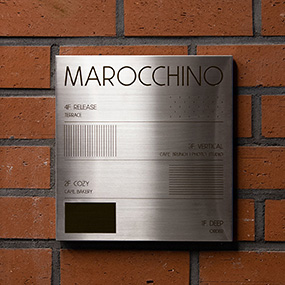
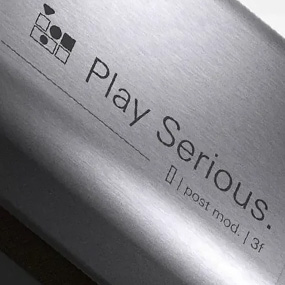
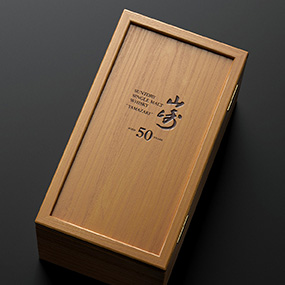
Explore laser engraving samples for stainless steel, aluminium, acrylic, wood, coated metals, nameplates, logos, serial numbers, QR codes, and custom branded parts. Our laser engraving service supports permanent marks, fine details, and small-batch to production engraving for industrial, retail, electronics, signage, and corporate gift applications in Singapore.


What We Do
Engraving Capabilities
Our fibre and CO₂ laser systems cover every engraving application — from fine 0.05 mm serial numbers on stainless steel to deep 3 mm logo engravings in aluminium and wood.
0.05mm
Minimum Line Width
minimum line / feature width on metals
Fine detail text, micro QR codes, and precision logos reproduced with sharp edges. Fibre laser focus spot enables sub-0.1 mm features.
500×500mm
Max Engraving Area
per field; larger panels via stitching
Large plates, panels, and signage engraved in a single pass or with stitched fields for oversized artwork.
0.01 – 3mm
Engraving Depth
depth; multi-pass for deeper profiles
Surface marking for traceability to deep 3 mm engraving for moulds, dies, and architectural elements. Depth controlled per pass.
600 dpi
Marking Resolution
raster; vector mode for text and logos
High-resolution raster engraving for photographs, gradients, and halftone artwork. Vector mode for crisp text and line art.
Fibre + CO₂
Laser Type
Fibre laser (1064 nm) for metals and hard plastics. CO₂ (10.6 μm) for wood, acrylic, leather, glass and organic materials. Both in-house.
Auto
Variable Data Marking
serial / QR / batch increment per part
Serial numbers, batch codes, date stamps, and QR codes with auto-incrementing data. No reprogram between parts — batch serialisation at production speed.
Materials
Materials We Engrave
20+ material types engraved in-house. Fibre laser for metals and engineering plastics; CO₂ for organics, glass and soft materials. We select the right system automatically per material.
Stainless Steel
Fibre laser
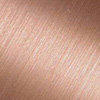
High-contrast black annealing marks or deep engraved text
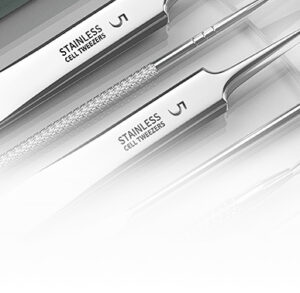
Popular for medical instruments, industrial nameplates, and equipment panels.
Aluminium
Fibre laser
Bright silver marks on anodised aluminium
grey engraving on bare alloy. Enclosures, aerospace parts, control panels.
Brass & Copper
Fibre laser
Rich contrast on bright surfaces
Deep engraving for awards, plaques, jewellery, and electrical component marking.
Mild & Tool Steel
Fibre laser
Part numbers, die cavity IDs, and mould markings
Deep engraving into hardened tool steel for permanent identification.
Acrylic (PMMA)
CO₂ laser
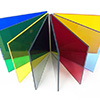
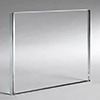
Frosted white engraving on clear acrylic
— ideal for signage, display panels, awards, and illuminated lettering.
Glass & Crystal
CO₂ laser
Frosted surface engraving for awards
wine glasses, architectural glass panels, and branded glassware.
Engineering Plastics
Fibre / CO₂
ABS, POM, Nylon, PEEK, PC
Part marking for electronic housings, automotive components, and industrial labels.
Wood, Leather & Organics
CO₂ laser
Photorealistic engraving on wood
deep branding on leather, and surface marking on bamboo, cork and paper.
Not sure which laser suits your material? Send us a sample or material spec — we’ll run a test mark and confirm results before committing to full production.
Where Laser Engraving is Used
From traceability marking on industrial parts to luxury gift personalisation — laser engraving delivers permanent results across every industry.
Industrial & Manufacturing
Part Traceability & Serial Marking
Permanent serial numbers, batch codes, date stamps, and 2D Data Matrix codes on metal components. Survives heat treatment, electroplating, and harsh chemical environments that destroy labels and inkjet marks.
Semiconductor & Medical
Instrument & Device Marking
UDI (Unique Device Identification) marks on surgical instruments, implants, and medical device components. Complies with FDA UDI and MDR requirements — clean-room compatible, chemical-resistant marks.
Electronics & Enclosures
Panel Labels & Interface Markings
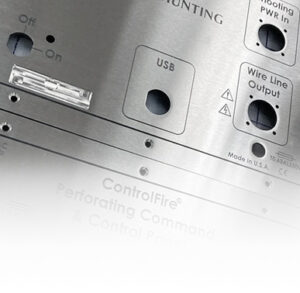
Control panel legends, port labels, warning symbols, and regulatory marks (CE, UL, RoHS) on aluminium and stainless steel enclosures. No paint or adhesive — marks are flush with the surface.
Signage & Wayfinding
Architectural & Wayfinding Signage
Room number plates, directional signs, and braille signage on brushed stainless steel and anodised aluminium. Deep engraving filled with paint for high-visibility contrast.
Gifts & Corporate
Personalised Corporate Gifts
Engraved logos and messages on metal pens, plaques, trophies, name badges, and branded merchandise. Fast turnaround for event giveaways and executive gifts. Photos and detailed artwork reproduced accurately.
Tooling & Moulds
Mould Cavity & Die Marking
Cavity numbers, date codes, and trademark logos engraved into hardened tool steel mould cavities. Deep engraving maintains sharpness through mould polishing and electroplating.
From Drawing to Delivery
Six steps, transparent at every stage. Most orders quote within 24 hours.
Upload Drawing
DXF, DWG, PDF, or STEP. We accept most 2D/3D formats.
Engineering Review
We check tolerances, material fit, and flag any DFM issues before quoting.
Quotation
Detailed quote within 24h — material, thickness, quantity, finish noted.
Production
Cutting run on our CO₂ laser. Parameters selected per glass type and thickness.
Quality Check
Dimensional verification. First-off approval for new jobs; batch sampling for repeats.
Delivery
Same-day dispatch for in-stock jobs. Local Singapore delivery or self-collect.
What Makes Our Laser Engraving Different
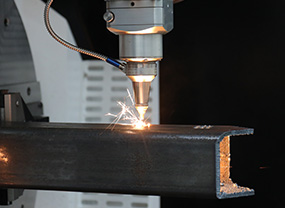
Not all laser engraving is equal — the right laser, the right parameters, and variable data handling separate production-grade marking from hobbyist results.

Fibre + CO₂ — Every Material Covered
Fibre laser (1064 nm) is the correct tool for metals and engineering plastics. CO₂ (10.6 μm) handles wood, acrylic, glass, leather, and organics. Many shops have only one type and force the wrong laser onto unsuitable materials — poor contrast, surface damage, or no mark at all. We select automatically.
Variable Data at Production Speed
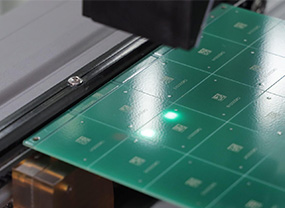
Serial numbers, QR codes, and batch codes that auto-increment per part — no reprogram, no stop between pieces. Our marking software integrates with CSV lists for lot-specific data, enabling complete traceability serialisation across batches of thousands of parts without operator intervention.
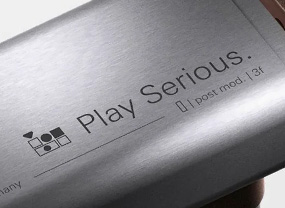
Mark on Already-Finished Parts
We regularly engrave parts that have already been cut, bent, welded, or coated. Anodised aluminium, powder-coated steel, passivated stainless steel — our fibre laser produces high-contrast marks without damaging the surrounding surface finish. Ideal for adding serialisation at the end of your assembly line.
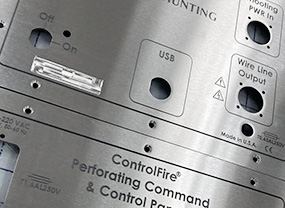
Combine with Cutting in One Order
Send us a flat metal sheet and we'll laser cut your profile and engrave part numbers, logos, and panel legends in the same setup — no additional handling, no repositioning error, and one line item on your purchase order. Common for control panels, nameplates, and equipment chassis.
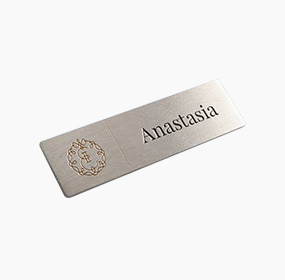
Laser Engraving vs Other Marking Methods
Understand why laser engraving outperforms inkjet, dot-peen, and chemical etching for permanent industrial marking.
| Criterion | Laser Engraving (Ours) | Inkjet / Pad Print | Dot-Peen Marking | Chemical Etching |
|---|---|---|---|---|
| Mark permanence | Permanent — into material | Fades / peels over time | Permanent indentation | Permanent |
| Minimum feature size |
0.05mm line width
|
~0.3mm typical |
~0.5mm dot spacing |
~0.2mm |
| Variable data / serialisation | Auto-increment per part | Yes | Yes | Fixed artwork only |
| Surface damage risk |
No mechanical contact
|
None |
Stress marks on thin parts |
Chemical masking needed |
| Chemical / heat resistance |
Survives all processes
|
Damaged by solvents / heat |
Survives most |
Good |
| Setup / changeover time |
Seconds (file load)
|
Ink / pad change |
Program load |
Mask prep required |
Featured Projects
Laser Engraving Work We've Delivered
A selection of recent engraving and marking projects — from industrial traceability to corporate gifts and architectural signage.
Batch Serialisation — 10,000 Parts
316 SS · Data Matrix + serial · Fibre laser
Engraved Award Plaquess
Brushed Al + anodised · Logo + text · 200 pcs
Architectural Room Number Plates
SS 304 brushed · Deep engrave + paint fill · 80 pcs
Services That Work Well Together
Engraving is usually the final step — but it pairs naturally with everything upstream.
Metal Cutting
Cut blanks and nameplates to shape, then engrave in the same production run — one order, one delivery.
CNC Bending & Folding
Engrave control panel legends and part numbers onto bent enclosures and chassis after forming.
Laser Cleaning
Clean oil, oxide, and contaminants from the engraving area first for higher contrast and adhesion in paint-filled marks.
Non-Metal Cutting
Engrave acrylic, wood, and leather in the same session as cutting — no separate setup required.
FAQ
Laser Engraving Questions
These are some of the common questions customers ask before sending drawings or requesting quotation.
What file formats do you accept for laser engraving artwork?
We accept AI, EPS, DXF, SVG (vector formats preferred), and high-resolution PNG or TIFF at minimum 300 dpi for raster artwork. PDF is accepted if the artwork is vector-based inside the PDF. For text, convert all fonts to outlines/paths before sending — this prevents font substitution issues. For QR codes and barcodes, provide the data string and we’ll generate the code to the correct standard (QR, Data Matrix, Code 128 etc.).
What is the difference between laser engraving and laser annealing?
Laser engraving physically removes material — the laser ablates the surface to create a recessed mark. Laser annealing heats the surface without removing material, creating a colour change (typically black on stainless steel) through oxidation. Annealing produces a smooth, flush mark with no depth — preferred for medical instruments and surfaces where a recess could trap contaminants. We offer both; specify your preference or we’ll recommend based on your application.
Can you engrave on already-coated or anodised parts?
Yes. Laser engraving on anodised aluminium removes the anodised layer to reveal the bare aluminium underneath — producing a bright silver mark on a coloured background. On powder-coated or painted steel, the laser removes the coating to expose the base metal, which can be filled with paint for two-colour contrast. We engrave on already-finished parts regularly — just ensure the part is clean and free of oils before sending.
Can you handle batch serialisation — different content on each part?
Yes. Send us a CSV or Excel file with the variable data (serial numbers, names, dates, codes) and we load it into our marking software. Each part gets its unique content automatically — no manual reprogram between pieces. We’ve handled batches from 10 personalised gifts to 50,000+ serialised industrial components. For QR codes, we validate each code is readable before production.
Will laser engraving marks survive harsh environments?
Laser-engraved marks are into the material — not on it. They survive autoclaving, chemical sterilisation, electroplating, powder coating, anodising, saltwater exposure, and UV radiation. Marks cannot be wiped, scratched, or chemically removed. This is why laser engraving is the mandatory method for UDI marking on medical devices, and why it’s used for traceability on aerospace and semiconductor components that undergo post-processing.
What is the typical lead time for laser engraving orders?
For standard engraving on customer-supplied parts, we typically turn around within 24–48 hours for batches under 200 pieces. Same-day service is available for urgent jobs placed before noon — please call ahead to confirm capacity. Large serialised batches of 1,000+ parts are typically completed within 3–5 working days. If engraving is combined with cutting or bending, lead time follows the fabrication schedule.
Blog
Laser Engraving Work We've Delivered

Sheet Metal Fabrication in Singapore: How to Choose the Right Supplier in 2026
The definitive 2026 guide to choosing a sheet metal fabrication supplier in Singapore — capabilities, certifications, the 12-point evaluation checklist.

How Much Does Laser Cutting Cost in Singapore? Pricing Factors Explained (2026)
Real laser cutting prices in Singapore for 2026 — from S$35 minimum charges to per-piece costs by material. Plus 5

Laser Cutting Services in Singapore: The Complete 2026 Buyer’s Guide
A practical 2026 guide to laser cutting in Singapore — processes, materials, pricing, lead time, and how to choose the

Laser Cleaning vs. Traditional Surface Treatment: When to Use Each Method
When buyers look for a laser marking machine, they are rarely asking a theoretical question. They are usually trying to

What to Include in Your CAD File to Get an Accurate Quote Within 24 Hours
When buyers look for a laser marking machine, they are rarely asking a theoretical question. They are usually trying to

Local vs. Overseas Metal Fabrication in Singapore: A Real Cost Comparison
When buyers look for a laser marking machine, they are rarely asking a theoretical question. They are usually trying to
Need Custom Metal Parts? Start with Your Drawing
Send your drawing or project requirement for review. We can discuss materials, related processing needs and a practical next step for your project.
Confidentiality Note
We understand the value of your design files. The information you submit will be used only for project evaluation, quotation and production communication. We take customer confidentiality, data security and intellectual property protection seriously.