A sheet metal gauge number is incomplete unless the material and gauge system are identified. The same 16 gauge represents different nominal thicknesses in carbon steel, stainless steel and aluminium. For fabrication drawings and Singapore RFQs, specify the controlling thickness in millimetres, material grade or alloy, temper where applicable, and required finish.
This chart converts common sheet metal gauges to nominal inch and millimetre values. It is useful when interpreting a legacy drawing, comparing supplier descriptions or starting a material discussion. It is not a substitute for the applicable material standard, mill certificate or project-specific thickness tolerance.
Sheet Metal Gauge Chart
The table uses common Manufacturers’ Standard Gauge values for carbon steel, a stainless steel gauge series and Brown & Sharpe-style values commonly shown for aluminium. Values have been converted from inches at 25.4 mm per inch and rounded for display.
| Gauge | Carbon steel inch |
Carbon steel mm |
Stainless inch |
Stainless mm |
Aluminium inch |
Aluminium mm |
|---|---|---|---|---|---|---|
| 10 | 0.1345 | 3.416 | 0.1406 | 3.572 | 0.1019 | 2.588 |
| 11 | 0.1196 | 3.038 | 0.1250 | 3.175 | 0.0907 | 2.305 |
| 12 | 0.1046 | 2.657 | 0.1094 | 2.778 | 0.0808 | 2.053 |
| 14 | 0.0747 | 1.897 | 0.0781 | 1.984 | 0.0641 | 1.628 |
| 16 | 0.0598 | 1.519 | 0.0625 | 1.588 | 0.0508 | 1.291 |
| 18 | 0.0478 | 1.214 | 0.0500 | 1.270 | 0.0403 | 1.024 |
| 20 | 0.0359 | 0.912 | 0.0375 | 0.953 | 0.0320 | 0.812 |
| 22 | 0.0299 | 0.759 | 0.0313 | 0.794 | 0.0254 | 0.644 |
| 24 | 0.0239 | 0.607 | 0.0250 | 0.635 | 0.0201 | 0.511 |
| 26 | 0.0179 | 0.455 | 0.0188 | 0.476 | 0.0159 | 0.405 |
| 28 | 0.0149 | 0.378 | 0.0156 | 0.397 | 0.0126 | 0.321 |
| 30 | 0.0120 | 0.305 | 0.0125 | 0.318 | 0.0100 | 0.255 |
Engineering documents should not silently round one of these conversions to a convenient metric thickness and treat it as exact. If a design needs 1.5 mm carbon steel, write 1.5 mm and identify the grade instead of writing 16 gauge and expecting every supplier to make the same interpretation.
Why the Same Gauge Is Not the Same Thickness
Gauge systems developed as material-specific trade references rather than one universal dimensional scale. As a result, a gauge number has meaning only together with its material family.
Therefore, “16 gauge sheet” is not a complete material specification. Even after identifying the material, the chart value still does not define grade, finish, applicable thickness tolerance or the actual measured value of a delivered sheet.
Carbon Steel Gauge Thickness
Carbon steel is often described with Manufacturers’ Standard Gauge values in North American references. A buyer should still specify the steel grade and actual nominal thickness required by the design. Hot-rolled, cold-rolled, pickled and oiled, coated and pre-finished products are not interchangeable descriptions.
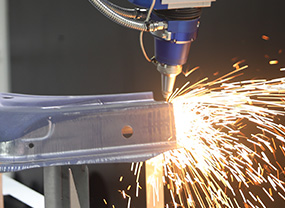
For a laser metal cutting quotation, material thickness affects pierce strategy, cutting speed, assist gas, kerf, heat input and edge condition. It does not by itself define the achievable tolerance. Feature geometry, sheet flatness, material condition and inspection method also matter; see our laser cutting tolerance guide.
Stainless Steel Gauge Thickness
Stainless steel uses different nominal gauge values from carbon steel. A complete specification should identify a grade such as 304 or 316 together with nominal thickness and finish. A 2B surface, No. 4 directional finish, polished face or protective film may change handling, cutting orientation and cosmetic acceptance requirements.
For applications where edge condition and appearance are important, review the interaction between thickness, assist gas, heat input and downstream finishing in our stainless steel laser cutting guide.
Aluminium: Prefer Actual Thickness to Gauge
For aluminium, actual thickness is the clearer procurement language. The Aluminum Association’s terminology guidance describes thickness as the preferred term and warns against confusing measured thickness with comparative gauge systems. A Singapore drawing should therefore state, for example, “5052-H32 aluminium, 2.0 mm” rather than only “14 gauge aluminium.”
Alloy and temper matter as much as thickness. Two aluminium sheets of equal thickness can behave differently during cutting and bending. Our 6061 vs 5052 aluminium guide explains the trade-off between machinability, strength and formability.
What About Galvanized Steel?
Do not automatically apply the bare carbon steel column to galvanized sheet. Galvanized products may be listed using a separate gauge reference, and a physical thickness measurement can include the steel substrate and zinc coating. The order should identify the required substrate or total coated thickness, coating designation and applicable material standard.
If coating thickness affects fit, grounding, welding, corrosion protection or inspection, place that requirement directly on the drawing or purchase specification rather than assuming the gauge number communicates it.
Nominal Thickness vs Actual Thickness
Nominal thickness is the ordered description. Actual thickness is what a calibrated instrument measures at a particular location. The permissible difference between them comes from the governing product standard and depends on factors such as:
- material family, grade, alloy and temper;
- sheet, strip, plate or coil product form;
- ordered thickness and width;
- coating or surface condition;
- measurement position and method;
- the specific standard cited by the purchase order.
A digital calliper display resolution is not proof of measurement accuracy. If incoming thickness is functionally critical, define the measurement method, acceptance limits and reporting requirement before production.
How Sheet Thickness Affects Fabrication
Laser cutting
Thickness influences piercing, cutting speed, heat input, dross risk and the relationship between holes, slots and material thickness.
Bending
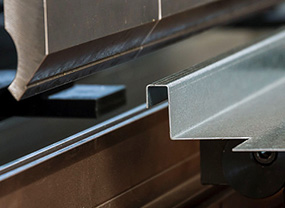
Thickness works with alloy, temper, grain direction, inside radius, die opening and springback. Review our K-factor and springback guide.
Welding
Thin sheet is more sensitive to heat distortion and burn-through; thicker material may require different joint preparation and heat input.
Weight and stiffness
Thickness changes mass and section stiffness, but “thicker means stronger” is incomplete without material properties, geometry, supports and load direction.
Gauge alone is not enough to choose a manufacturing process. Design intent, flatness, edge requirement, bend geometry, weld sequence and surface finish belong in the discussion. For a broader purchasing workflow, see our Singapore sheet metal fabrication supplier guide.
What to Put on a Singapore Fabrication RFQ
Metric dimensions avoid unnecessary interpretation when Singapore buyers work with local and international material sources. Treat the stated millimetre thickness as the controlling drawing dimension and use gauge only as a cross-reference. Stock availability varies with alloy, grade, finish and supplier, so confirm availability before freezing a production design.
Sheet metal RFQ checklist
- Material grade or alloy
- Nominal thickness in mm
- Applicable material standard
- Temper for aluminium
- Surface finish or protective film
- Quantity and batch plan
- DXF, STEP and reference PDF
- Critical dimensions and tolerances
- Grain or rolling direction
- Burr and cosmetic requirements
- Cutting, bending and welding scope
- Certificates or inspection reports
Before requesting a quotation, check units, duplicate lines, open contours and revision status using our CAD file preparation guide. For cost planning, review the main factors in our Singapore laser cutting cost guide.
After confirming the actual material thickness, review holes, slots, remaining web and bend clearance in our sheet metal laser cutting design guide.
Frequently Asked Questions
Is 16 gauge steel the same thickness as 16 gauge stainless steel?
No. Common reference charts list 16 gauge carbon steel at about 1.519 mm and 16 gauge stainless steel at about 1.588 mm. State the material and actual nominal thickness.
How thick is 18 gauge sheet metal in millimetres?
It depends on the material: approximately 1.214 mm for carbon steel, 1.270 mm for stainless steel and 1.024 mm for aluminium in the gauge series shown above.
Does a higher gauge mean thicker or thinner sheet?
Within the same gauge system, a higher number normally means a thinner sheet. Do not compare gauge numbers across different materials without a conversion table.
Should I specify gauge or millimetres on a fabrication drawing?
Use actual nominal thickness in millimetres as the controlling value, together with the material grade, alloy or temper and finish. Gauge can be added as a reference if needed.
Does galvanized sheet thickness include the zinc coating?
A physical measurement may include both substrate and coating. State whether the requirement applies to substrate thickness or total coated thickness and identify the coating specification.
Can actual sheet thickness differ from nominal thickness?
Yes. The permitted variation depends on the product and material standard, ordered dimensions and other conditions. Use the applicable standard for acceptance.
Which sheet metal gauge is best for laser cutting?
There is no universal best gauge. Select material and thickness from the structural and functional requirements, then confirm feature size, tolerance, edge quality and machine capability with the fabricator.
Is aluminium sheet commonly specified by gauge?
Some commercial charts use gauge references, but actual thickness in millimetres or inches is clearer. Always include alloy and temper for an aluminium fabrication enquiry.
Reference notes
Request a Sheet Metal Fabrication Quote
Send the material grade, nominal thickness in millimetres, quantity, finish and production files. We can review the cutting and forming scope and identify information that needs clarification before quotation.