Yes, brass can be laser cut and engraved, but it needs more careful process setup than mild steel because brass is reflective, thermally conductive, and often used in visible applications where surface finish matters. For brass laser cutting in Singapore, buyers should prepare material thickness, brass grade if known, drawing files, quantity, visible-face requirements, edge finish expectations and engraving depth or contrast requirements before requesting a quote.
Brass laser cutting and engraving are widely used for signs, nameplates, decorative panels, electrical parts, small custom components, prototypes and branded metal products. However, brass is not processed in the same way as mild steel or stainless steel. Because brass is a copper-based alloy, it reflects more laser energy, conducts heat quickly and often requires better surface control during cutting or engraving.
For buyers in Singapore, this matters because many brass projects are not just functional parts. They may be visible signage, premium interior details, engraved plaques, electrical contact components, prototype parts or small-batch custom orders. In these cases, the final part is judged not only by whether the shape is correct, but also by edge quality, engraving clarity, burr level, discoloration, oxidation, surface scratches and finishing requirements.
This guide explains how brass laser cutting and engraving work, why reflective metals need special setup, what quality problems can appear, and what information buyers should prepare before requesting a quotation.
Can Brass Be Laser Cut and Engraved?
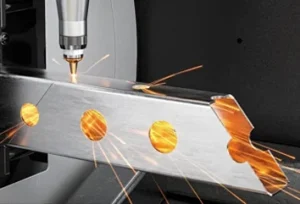
Yes. Brass can be laser cut and laser engraved. However, brass is not a standard metal cutting job in the same sense as mild steel. Because brass contains copper, it reflects more laser energy and conducts heat more quickly than many common steels. This makes the process more sensitive to laser source selection, focus position, cutting speed, assist gas and fixture setup.
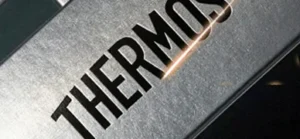
Laser cutting is used when the goal is to cut through the brass sheet and create a shape, hole, slot or outer profile. Laser engraving is used when the goal is to mark, etch or remove material from the brass surface without fully cutting through it.
What affects the final brass cutting or engraving result?
| Factor | Why It Matters |
|---|---|
| Brass thickness | Affects laser power, speed, edge quality, burr level and cost. |
| Surface finish | Polished or brushed brass is more sensitive to scratches and visible heat marks. |
| Drawing quality | Open contours, duplicate lines and wrong scale can delay quotation and production. |
| Edge finish requirement | Determines whether deburring, polishing or brushing is required after cutting. |
| Engraving depth | Affects engraving time, contrast, clarity and final surface appearance. |
| Quantity | Affects setup cost, unit cost and production planning. |
| Application | Signage, decorative parts and electrical components have different quality priorities. |
For a general overview of project planning, see Lumen Future’s guide to laser cutting services in Singapore.
Why Brass Is More Difficult to Process Than Mild Steel
Brass is often selected because it looks premium, resists corrosion better than many untreated steels and works well for visible components. These advantages also create processing challenges. Brass parts usually need more attention to surface finish, edge color and handling marks.
Reflectivity
Brass is a reflective metal, especially when the surface is polished, brushed or mirror-like. A reflective surface can make laser processing less stable if the machine, material and parameters are not matched correctly.
This is why reflective metal laser cutting usually requires more careful setup than cutting ordinary carbon steel. The laser source, focus, assist gas, sheet flatness and cutting path must be selected with the material behavior in mind.
For broader process selection across different laser technologies, read the guide to choosing the right laser process for different materials.
Thermal Conductivity
Brass conducts heat quickly. During laser cutting, heat can move away from the cutting zone faster than expected. This affects how much energy is needed to achieve a clean cut and how the edge responds to the process.
If the energy is too low, the cut may be incomplete or show burr. If the energy is too high, the edge may show excessive heat marks or discoloration. For small detailed brass parts, heat distribution can also affect part stability during cutting.
Edge Discoloration
Brass parts are often used where appearance matters. Edge discoloration may not always affect function, but it can matter for signs, nameplates, plaques, decorative panels and premium visible parts.
If the final appearance is important, the buyer should specify whether edge cleaning, polishing, brushing, protective film handling or post-processing is required. A part that is acceptable for a hidden bracket may not be acceptable for a hotel sign or a premium office nameplate.
Oxidation and Visible Surface Requirements
Brass can oxidize or change color during processing depending on heat input, gas setup, surface condition and post-processing. For decorative projects, the visible face should be clearly marked in the drawing or order notes.
- Identify the visible face before quotation, especially for signs and decorative panels.
- Specify whether scratches are acceptable or whether protective handling is required.
- Clarify finishing expectations, such as raw, brushed, polished, cleaned or ready for coating.
- Confirm packaging requirements if parts will be installed as visible surfaces.
Brass Laser Cutting vs Brass Laser Engraving
Brass laser cutting and brass laser engraving are related, but they solve different problems. Many buyers use both processes in the same project, such as cutting a brass nameplate to shape and engraving a logo or serial number on the surface.
| Item | Brass Laser Cutting | Brass Laser Engraving |
|---|---|---|
| Main purpose | Cut through the sheet and create the final shape. | Mark or remove material from the surface. |
| Typical result | Outer profile, holes, slots, brackets, plates. | Text, logo, number, pattern, brand mark. |
| Common file type | DXF, DWG or CAD drawing. | AI, SVG, DXF, PDF reference or vector artwork. |
| Key quality point | Edge quality, burr, tolerance and oxidation. | Contrast, depth, clarity and surface consistency. |
| Common applications | Custom parts, plates, panels, connectors. | Nameplates, plaques, awards, labels, signs. |
For a detailed comparison of engraving processes, see laser engraving on metal vs non-metal materials.
When you need a physical shape
Choose cutting when the part needs holes, slots, profiles, outlines or separated components from brass sheet.
When you need surface information
Choose engraving when the part needs text, logos, serial numbers, patterns or decorative markings on the brass surface.
Common Challenges in Brass Laser Cutting
Brass processing can produce excellent results, but buyers should understand the common quality issues before production. This helps avoid unrealistic expectations and makes quotation more accurate.
Burr at the Cut Edge
Burr is one of the most common concerns in brass laser cutting. It can appear when the cutting energy, speed, focus or assist gas is not matched to the material thickness. Burr may require deburring or edge cleaning, especially on visible or hand-contact parts.
Edge Discoloration
Brass can show edge discoloration after laser cutting. The edge may appear darker, slightly oxidized or different from the front surface. This matters more for decorative brass parts than for hidden functional components.
Oxidation
Oxidation depends on material condition, heat input, gas setup and post-processing. In some industrial parts, slight oxidation may be acceptable. In decorative or customer-facing parts, oxidation may need to be removed or controlled.
Small Part Movement
Small brass parts can move, tilt or fall after being cut free from the sheet. This can affect accuracy, edge quality or surface condition. For small parts, fixture design, tab strategy and cutting sequence may be needed.
Surface Scratches
Brass is often selected for its appearance, so scratches are a major concern for visible parts. Scratches can happen during material handling, fixture contact, cutting, unloading, deburring or packaging.
If your project requires smooth edges or visible-surface finishing, review Lumen Future’s guide to polishing and deburring after laser cutting.
How Fixture, Focus and Assist Gas Affect Brass Cutting Quality
Brass laser cutting quality is not determined by laser power alone. Fixture stability, focus position, assist gas, cutting path, material flatness and surface protection all affect the final result.
| Setup Factor | Why It Matters for Brass |
|---|---|
| Focus position | Affects kerf width, edge quality, penetration and burr. |
| Assist gas | Influences oxidation, dross removal and edge appearance. |
| Fixture design | Keeps thin sheets flat and helps prevent small part movement. |
| Surface protection | Reduces scratches on decorative brass parts. |
| CAD quality | Avoids open contours, duplicate lines and wrong scale. |
| Cutting sequence | Reduces heat buildup and movement of small features. |
| Post-processing plan | Determines whether deburring, brushing or polishing is needed. |
Fixture Stability
Thin brass sheets may need proper support to stay flat. If the material is not flat, the focus position can change across the sheet, which may cause inconsistent edge quality.
Focus Position
Focus position affects energy density at the material surface. If the focus is not stable, the cut may become inconsistent. On reflective metals such as brass, stable focus control is especially important because small process changes can produce visible differences.
Assist Gas
Assist gas helps remove molten material and affects edge appearance. The correct gas setup depends on thickness, quality target and whether the final part is functional or decorative. Buyers do not need to specify gas settings, but they should specify the desired edge quality and final appearance.
Common Brass Laser Cutting and Engraving Applications in Singapore
In Singapore, brass laser cutting and engraving are often used for small-batch custom parts, architectural details, signage, premium gifts, electronic components and engineering prototypes. Because many projects are low-volume or design-specific, laser processing can be useful because it avoids tooling and supports fast design changes.
Singapore Buyer Scenarios
Brass projects often come from both industrial and visible-design use cases. The same material may need very different tolerances, surface handling and finishing depending on where it will be used.
CBD, Orchard, Marina Bay
Brass signs, office nameplates, reception plaques, retail displays and decorative brand elements.
Tuas, Jurong, Woodlands
Custom brass plates, brackets, small conductive components, prototype fixtures and replacement parts.
Ang Mo Kio, Serangoon, Kallang
Conductive parts, contact plates, small precision components and short-run engineering samples.
Signage and Nameplates
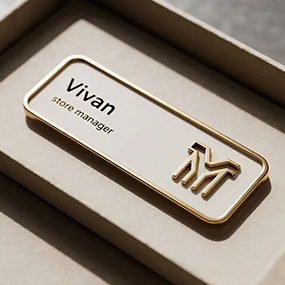
Brass is commonly used for premium-looking signs, office nameplates, hotel labels, retail signage, directional plates and brand displays. These projects usually require clean edges, good surface protection and consistent engraving contrast.
For related visible-brand applications, see the guide to custom corporate gifts and laser engraving in Singapore.
Decorative Panels
Brass can be used for decorative panels, interior design elements, furniture details, retail displays and architectural accents. These parts often require more attention to surface scratches, edge color and handling marks than standard industrial components.
Electrical Contacts and Components
Brass is also used for conductive or mechanical components such as contact plates, terminals, connectors, spacers, brackets and small custom parts. These applications usually focus more on dimensional accuracy, hole position, burr control and material thickness than decorative appearance.
Small-Batch Custom Parts
Laser cutting is especially useful for small-batch brass parts because it does not require dedicated tooling. This helps engineering teams, product designers and local businesses in Singapore move from drawing to sample faster.
What Buyers Should Prepare Before Requesting a Quote
A clear request helps avoid delays and makes the quotation more accurate. For brass laser cutting and engraving, buyers should prepare more than just a rough sketch.
| Information to Provide | Why It Matters |
|---|---|
| Brass grade, if known | Different alloys may cut or engrave differently. |
| Material thickness | Affects process setup, edge quality and cost. |
| Drawing file | DXF/DWG for cutting; AI/SVG/DXF for engraving. |
| Quantity | Affects setup cost, production planning and unit price. |
| Visible surface side | Helps prevent scratches on the wrong face. |
| Edge finish requirement | Determines whether deburring or polishing is needed. |
| Engraving depth or contrast | Affects engraving time and process selection. |
| Surface finish | Polished, brushed and raw brass may need different handling. |
| Application | Helps determine tolerance, finish and packing requirements. |
| Delivery requirement | Helps evaluate production priority and lead time. |
If you are not sure which file format to send, start with the guide on how to prepare CAD files for laser cutting.
Process: Laser cutting + surface engraving
Quantity: 50 pcs
File: DXF for cutting, AI/SVG for logo engraving
Finish: Visible front face, minimal scratches, deburred edges
Application: Office nameplate / retail signage
Delivery: Singapore local delivery required
Recommended File Formats
For brass cutting, DXF or DWG files are usually the most useful for 2D profiles. For engraving, AI, SVG, DXF or a clear vector file may be useful depending on the artwork. PDF files can help communicate the visual design, but they may not be enough for production if they do not contain accurate vector geometry.
How Brass Material and Finish Affect Cost
Brass laser cutting cost depends on thickness, part size, cutting length, quantity, edge quality, engraving time, surface protection and post-processing requirements. A simple rectangular brass plate is not priced the same way as a detailed decorative sign with engraving, polishing and careful packaging.
Appearance requirements can change the quote
A hidden electrical bracket and a visible brass office sign may use the same thickness, but the visible sign may require more careful handling, deburring, polishing, engraving inspection and packaging.
Common cost factors include material thickness, cutting length, number of holes or internal features, part size, quantity, nesting efficiency, setup time, engraving area and depth, deburring, polishing, surface protection, packaging requirement and delivery time.
For a broader explanation of pricing factors, see how much laser cutting costs in Singapore.
When Should You Choose Laser Cutting for Brass?
Laser cutting is a good option for brass when the project needs digital flexibility, low tooling cost, fast design changes or small-batch production. It is especially useful when the design contains custom shapes, holes, slots, logos or multiple versions.
- You need a custom brass sign, nameplate or plaque.
- You need small-batch brass parts without tooling.
- The design may change between prototype and production.
- The part has holes, slots or complex outlines.
- You need both cutting and engraving in one project.
- You need local Singapore support for drawing review.
- You need visible parts with controlled finishing.
- You are producing prototypes, replacement parts or custom components.
However, laser cutting may not be the best fit for every brass project. Very thick brass, extremely tight mechanical requirements, special surface finishes or high-volume stamped parts may require additional process review or alternative manufacturing methods.
Practical Quality Checklist for Brass Parts
Use this checklist when reviewing brass laser cutting or engraving samples.
| Quality Item | What to Check |
|---|---|
| Outer profile | Shape matches the drawing and dimensions. |
| Hole position | Holes and slots align with the design. |
| Burr | No sharp or excessive burr on edges. |
| Edge color | Discoloration is acceptable for the application. |
| Surface scratches | Visible face is protected and handled correctly. |
| Engraving contrast | Text or logo is readable and consistent. |
| Engraving depth | Depth matches the intended use. |
| Oxidation | Surface and edge condition meet finish requirements. |
| Packaging | Visible parts are separated or protected during delivery. |
For decorative brass parts, a sample or reference photo is very helpful. It allows the supplier to understand the expected finish, not just the geometry.
Frequently Asked Questions
Can brass be laser cut?
Yes. Brass can be laser cut, but it needs more careful setup than mild steel because it is reflective and thermally conductive. Cutting quality depends on brass thickness, surface finish, laser setup, focus, assist gas and edge quality requirements.
Can brass be laser engraved?
Yes. Brass can be laser engraved for logos, text, serial numbers, nameplates, plaques, signs and decorative parts. Engraving quality depends on the brass surface, artwork quality, engraving depth, desired contrast and finishing requirements.
Why is brass harder to laser cut than mild steel?
Brass is harder to process than mild steel because it reflects more laser energy and conducts heat quickly. This makes the cutting process more sensitive to focus, power, speed, assist gas and material surface condition.
Does brass laser cutting leave burrs?
It can. Burr may appear if the process settings are not matched to the brass thickness and part geometry. Burr can often be reduced through parameter optimization, proper focus, suitable assist gas and post-processing such as deburring.
Will brass turn black or discolor after laser cutting?
Brass may show edge discoloration or oxidation depending on heat input, surface condition and process setup. This does not always affect function, but it matters for decorative parts, signs and visible components. If appearance is important, specify the desired finish before production.
What file format should I send for brass laser cutting?
For brass laser cutting, DXF or DWG files are usually preferred for 2D profiles. For brass engraving, AI, SVG, DXF or vector artwork may be useful. A PDF can be included as a visual reference, but it may not be enough for production if it does not contain accurate geometry.
Can Lumen Future make small-batch brass parts in Singapore?
Yes. Lumen Future supports small-batch brass cutting and engraving projects depending on material thickness, drawing quality, tolerance, quantity and surface finish requirements. For best results, send the drawing file, material thickness, visible surface requirement and expected quantity.
Is brass laser cutting suitable for signs and nameplates?
Yes. Brass laser cutting and engraving are suitable for signs, nameplates, plaques, labels and decorative panels. These projects usually require extra attention to surface scratches, engraving contrast, edge color and finishing.
Do brass parts need polishing after laser cutting?
Not always. Functional brass parts may only need basic deburring, while decorative brass parts may require polishing, brushing or cleaning. The finishing requirement should be confirmed before quoting.
Related Guides
- Laser Cutting Services in Singapore: The Complete Buyer’s Guide
- Fiber vs CO2 vs UV Laser: Choosing the Right Process for Your Material
- Laser Engraving on Metal vs Non-Metal
- Aluminum 6061 vs 5052 Laser Cutting in Singapore
- How to Prepare CAD Files for Laser Cutting
- Polishing & Deburring After Laser Cutting
- How Much Does Laser Cutting Cost in Singapore?
- Custom Corporate Gifts Singapore: Laser Engraving Guide
Need Brass Laser Cutting or Engraving in Singapore?
Send your drawing file, material thickness, quantity and finishing expectations to Lumen Future for a project review.
- For cutting: send DXF or DWG files with clear dimensions and material thickness.
- For engraving: send vector artwork such as AI, SVG or DXF, plus contrast or depth requirements.
- For visible parts: confirm the front face, surface finish and packaging expectations before quoting.