Choosing mild steel vs stainless steel vs aluminium is not just a raw-material decision. The choice affects part weight, corrosion risk, cutting route, bending, welding, surface finishing, inspection and the total cost of delivering a usable sheet metal component.
Quick answer
Mild steel is often the practical starting point for cost-sensitive welded frames, brackets and enclosures when weight is not critical and a suitable protective finish can be applied. Stainless steel is commonly considered when corrosion resistance, cleanability or an exposed metal surface matters. Aluminium is a frequent candidate when weight reduction is important, provided the design accounts for alloy, temper, stiffness, bending and joining requirements.
These are screening directions, not universal rules. The correct material still depends on the specific grade, thickness, load case, geometry, operating environment and downstream process. For a drawing-based review, see our sheet metal laser cutting services in Singapore.
Mild Steel vs Stainless Steel vs Aluminium: Quick Comparison
The table below is an early selection framework. It does not replace grade-specific calculations, corrosion review or prototype validation.
| Decision factor | Mild steel | Stainless steel | Aluminium |
|---|---|---|---|
| Typical reason to shortlist | Practical fabrication and cost for structures, brackets, frames and coated enclosures. | Corrosion resistance, cleanability, durability or a finished exposed-metal appearance. | Weight reduction, handling, moving assemblies or an anodised aluminium appearance. |
| Relative density | High compared with aluminium. | High compared with aluminium. | Substantially lower, but equivalent stiffness or strength may require a different thickness or section. |
| Bare-surface corrosion | Normally needs a suitable protective system where corrosion matters. | Generally better, but performance depends on grade, finish, chloride exposure, crevices and maintenance. | Forms a natural oxide film, but can still pit or suffer galvanic corrosion under unsuitable conditions. |
| Fabrication | Often straightforward for common cutting, bending and welding routes. | Requires control of contamination, heat input, springback and final surface condition. | Strongly influenced by alloy and temper; heat conductivity, oxide and lower elastic modulus affect processing. |
| Common finishing direction | Powder coating, painting, plating or galvanising, depending on the project. | Brushed, polished, passivated or project-specific finished surfaces. | Anodising, powder coating or an approved mill/finished surface. |
| Cost question | Does the lower initial material cost remain attractive after corrosion protection and maintenance? | Does higher initial cost reduce finishing, replacement or cleaning requirements? | Does weight saving justify material, joining and finishing requirements? |
First Specify the Grade, Not Just the Material Family
“Mild steel”, “stainless steel” and “aluminium” are broad material families. A purchase order that states only one of these names leaves important decisions unresolved. Strength, formability, weldability, corrosion performance and surface appearance can vary materially within each family.
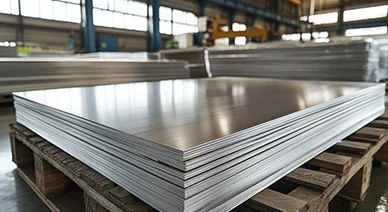
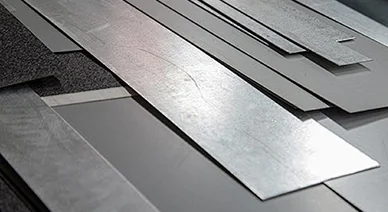
Mild steel is not one universal sheet
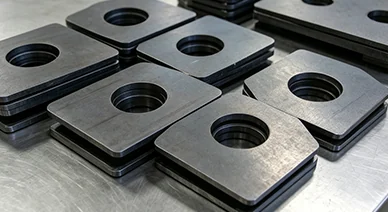
Low-carbon sheet steels are widely used because they can offer a practical balance of availability, cutting, forming and welding. Cold-rolled, hot-rolled, pickled-and-oiled and coated products do not arrive with the same surface, thickness tolerance or finishing requirements. Galvanised steel also needs separate review because cutting exposes an uncoated edge and welding involves the zinc coating.
Stainless steel is not automatically 304
Stainless steel gains its corrosion resistance from a chromium-rich passive surface film, but stainless grades can still corrode under unsuitable conditions. Grade 304 is a common general-purpose option. Grade 316 is often evaluated where chloride exposure is more severe, but the environment, surface finish, crevices, fabrication contamination and maintenance remain important. Our 304 vs 316 stainless steel guide examines that decision in more detail.
Aluminium alloy and temper change the result
Alloying elements and temper affect aluminium strength, formability, corrosion behaviour and weldability. A grade selected for a machined block may not be the best choice for a tightly bent sheet enclosure. For example, 5052 and 6061 should not be treated as interchangeable simply because both are aluminium. See our 6061 vs 5052 aluminium guide for the grade-level comparison.
Weight, Strength and Stiffness Are Different Decisions
Aluminium has much lower density than steel, so it can reduce mass when geometry and thickness remain similar. But comparing equal-thickness coupons does not prove that two finished parts are structurally equivalent. A panel, bracket or frame is governed by material properties together with thickness, section shape, bends, ribs, fasteners, welds, load direction and support conditions.
Steel’s higher elastic modulus can make an equal-thickness steel panel stiffer than an aluminium panel. A designer may increase aluminium thickness or add formed features to meet deflection requirements. That can reduce, but not necessarily remove, the weight advantage. Strength also depends on the exact grade and condition; “stainless is stronger” and “aluminium is weak” are not reliable design rules.
Corrosion Resistance in Singapore Conditions
Singapore has a warm coastal climate with abundant rainfall and high relative humidity. Those conditions justify an early corrosion review, but they do not mean every component requires 316 stainless steel. Indoor exposure, sheltered outdoor use, direct rain, marine aerosols, cleaning chemicals, drainage, dissimilar-metal contact and maintenance can lead to very different material choices.
| Exposure scenario | Possible starting point | Questions before release |
|---|---|---|
| Dry indoor machine frame | Coated mild steel may be sufficient when weight and exposed metal appearance are not priorities. | Will coating cover cut edges and welds? Can damaged areas be repaired? |
| Indoor equipment enclosure | All three families may be candidates. | Is weight, electrical bonding, appearance, cleaning or coating the controlling requirement? |
| Outdoor equipment | Protected steel, stainless steel or aluminium may be considered. | Is the part exposed to rain, trapped water, UV, pollution or maintenance chemicals? |
| Coastal or marine exposure | A grade-specific corrosion assessment is needed. | What is the chloride exposure, splash condition, crevice geometry and inspection interval? |
| Cleanroom or regularly cleaned equipment | Stainless steel or aluminium may be shortlisted where surface condition and cleanability matter. | Which cleaning agents, surface finish and contamination controls apply? |
Mild steel normally relies on a coating, plating or other protective system where corrosion matters. Stainless steel has inherent corrosion resistance, but a poor grade choice, rough crevice, embedded iron contamination or chloride-rich environment can undermine it. Aluminium’s oxide film provides useful protection in many settings, but pitting and galvanic attack are possible, especially when aluminium contacts a more noble metal in the presence of an electrolyte.
For offshore and exposed projects, connect the material decision to drainage, fasteners, weld treatment and inspection rather than relying on the material name alone. See our marine and offshore fabrication support.
Laser Cutting and Edge Quality
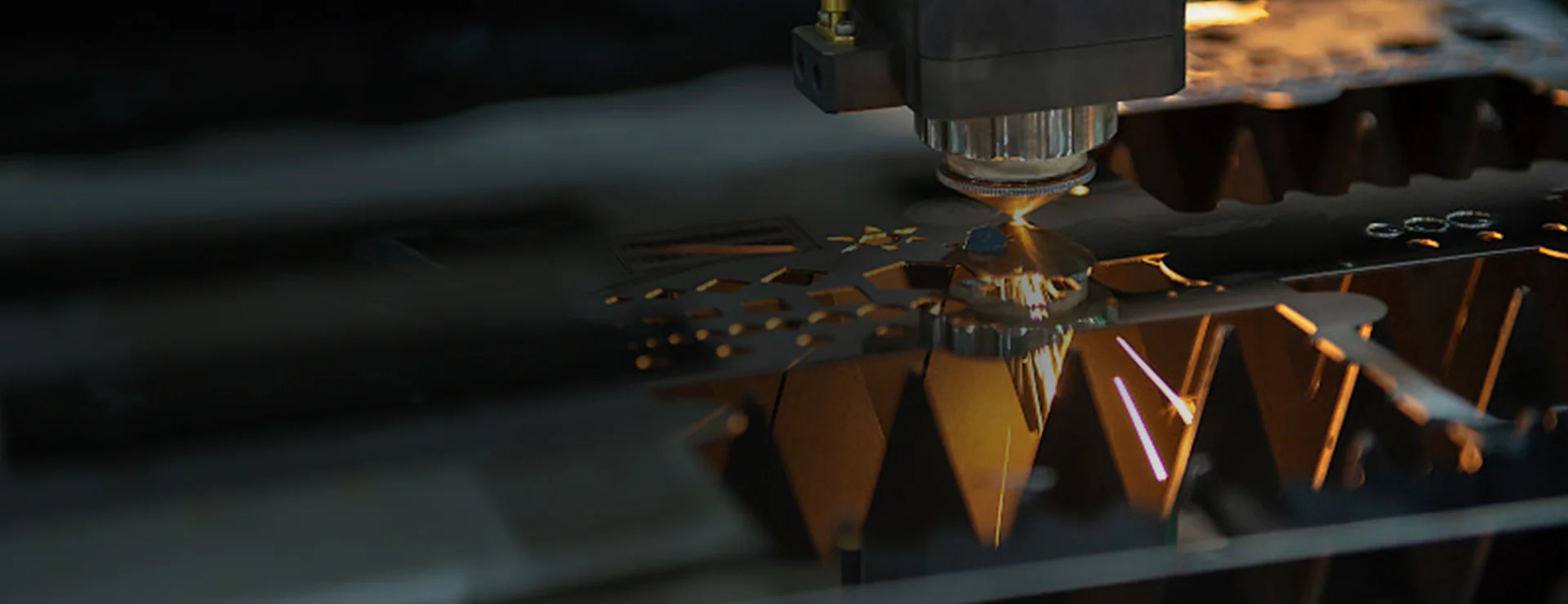
Modern fiber laser systems can process mild steel, stainless steel and aluminium, but the same machine setting is not used for all three. Material grade, thickness, flatness, coating, protective film, laser power, focus, nozzle condition and assist gas influence the final cut.
Mild-steel cutting
Oxygen can be used as a reactive assist gas for mild steel, while nitrogen may be selected when a lower-oxidation edge has downstream value and the equipment can process the thickness productively. An oxygen-cut edge is expected to contain oxide. Depending on the welding or coating route, that oxide may require removal.
Stainless-steel cutting
Nitrogen is commonly considered when a low-oxidation edge and exposed appearance matter. That does not make every nitrogen-cut edge burr-free, passivated or ready for hygienic service. Dross, heat tint, scratches, surface contamination and dimensional requirements remain separate acceptance items.
Aluminium cutting
Aluminium’s reflectivity and thermal conductivity affect how energy enters and leaves the cut zone. Alloy, thickness and surface condition matter. Appearance parts also require control of protective film, handling and scratch direction. A clean visual edge does not guarantee a tight-fit hole or finished-part flatness.
Our nitrogen vs oxygen laser cutting guide explains assist-gas selection. For burr, dross and heat tint, see the laser-cut edge quality guide.
Bending and Formability
Bendability depends on grade, thickness, material condition, bend direction, tooling, inside radius and required appearance. A bend rule validated for one sheet should not automatically be transferred to another material family.
| Fabrication issue | Mild steel | Stainless steel | Aluminium |
|---|---|---|---|
| Springback | Must be compensated, with behaviour depending on grade and geometry. | Often requires close attention because grade and work hardening affect the formed angle. | Strongly influenced by alloy and temper; trial bends may be needed for critical parts. |
| Minimum inside radius | Set from the actual material and tooling, not a universal thickness multiple. | Coordinate radius with finish protection and crack risk. | A hard temper or unsuitable grain direction can reduce bendability. |
| Surface appearance | Tool marks may be acceptable before coating or may need control. | Brushed or visible surfaces need film, clean tooling and grain-direction control. | Anodised or cosmetic surfaces need careful handling and an agreed process sequence. |
| Hole-to-bend relationship | Features near a bend can distort in all three materials. Set their location from the actual radius, tooling and tolerance plan. | ||
Use a STEP model to define the finished form and a PDF drawing to identify critical angles, radii and dimensions. Our K-factor, springback and bending tolerance guide explains why the flat pattern and finished geometry must be reviewed together.
Welding and Assembly
Mild steel often supports familiar welding routes and can be a practical choice for frames and structural assemblies. Stainless steel requires control of heat input, distortion, weld contamination and the required post-weld surface condition. Aluminium’s stable oxide layer and high thermal conductivity change welding preparation and heat management; filler selection and alloy compatibility also matter.
Joining method can change the material decision. A folded and fastened enclosure may not need the same alloy as a fully welded frame. Rivets, clinch fasteners, threaded inserts and bolted joints can reduce welding, but introduce hole, access, electrical-bonding and corrosion considerations. Dissimilar-metal assemblies may also need isolation to manage galvanic corrosion.
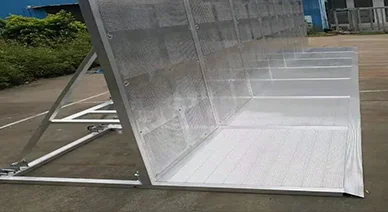
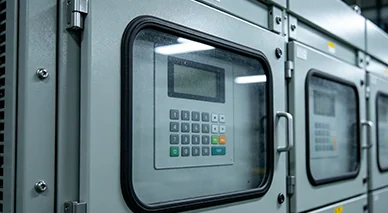
If cutting and joining will be purchased together, identify joint type, weld location, cosmetic faces and any distortion limits at quotation stage. See our welding and structural assembly capability.
Surface Finishing Options
Surface finish is part of material selection, not a note to add after manufacturing has started. The finish may affect edge preparation, masking, grounding points, threaded features, colour consistency, corrosion resistance and final dimensions.
| Material family | Common finishing directions | What the drawing or RFQ should identify |
|---|---|---|
| Mild steel | Powder coating, wet paint, plating or galvanising, depending on environment and specification. | Pretreatment, colour, gloss, coating thickness, masked zones, repair method, cut-edge and weld preparation. |
| Stainless steel | Mill finish, brushing, polishing, pickling or passivation as required by the project. | Finish designation, grain direction, visible faces, weld treatment, contamination control and corrosion requirement. |
| Aluminium | Mill finish, anodising, powder coating or project-specific conversion/paint systems. | Alloy compatibility, colour expectation, contact points, masking, cosmetic faces and dimensional allowances. |
These processes are not interchangeable. Passivation is associated with stainless-steel surface chemistry; anodising is an aluminium conversion process; powder coating is an applied coating system. Availability and whether work is completed directly or coordinated through an approved partner should be confirmed for each project.
Compare Total Fabricated-Part Cost
Raw sheet price is only one part of the commercial decision. A lower-cost material can require coating, extra handling or maintenance. A higher-cost stainless grade may reduce some finishing or replacement requirements. Aluminium can reduce handling and moving mass while adding alloy, welding or finish constraints.
Useful quotation comparisons keep the geometry, quantity, tolerance, finish and inspection basis consistent. Comparing an unfinished mild-steel part with a finished stainless or anodised aluminium part does not reveal the real material premium.
| Cost driver | Why it changes by material | Buyer action |
|---|---|---|
| Sheet stock and minimum purchase | Grade, thickness, finish and local availability affect yield and procurement. | State whether equivalent grades or alternate thicknesses may be proposed. |
| Cutting and assist gas | Material and thickness change the process window, gas route and throughput. | Specify edge function rather than prescribing a gas without a reason. |
| Bending and welding | Springback, crack risk, heat input, fixturing and filler requirements differ. | Provide a STEP model and identify critical formed dimensions. |
| Surface finishing | Different material families use different corrosion and appearance systems. | Quote the finished part, including masking and cosmetic requirements. |
| Inspection and rework | Visible surfaces, distortion and tight features may require separate controls. | Identify critical-to-function characteristics and required records. |
For a wider cost framework, see our laser cutting cost guide for Singapore buyers.
Which Material Should You Choose by Application?
| Application | Reasonable materials to screen | Questions that decide the result |
|---|---|---|
| Automation frame or machine base | Mild steel or aluminium; stainless where environment or cleaning requires it. | Static stiffness, moving mass, welds, modular assembly, coating and installation environment. |
| Machine guard or equipment enclosure | All three may be suitable. | Weight, panel stiffness, grounding, appearance, cleaning, corrosion and access features. |
| Marine or outdoor component | Protected steel, grade-specific stainless steel or suitable aluminium. | Chlorides, direct wetting, crevices, dissimilar metals, maintenance and governing standard. |
| Medical or cleanroom equipment | Often stainless steel or aluminium, depending on process and cleaning requirements. | Cleaning chemicals, particle control, finish, traceability and validation requirements. |
| Electrical or electronic cabinet | All three may be considered. | Weight, shielding, electrical continuity, thermal management, corrosion and surface treatment. |
| Decorative or customer-facing panel | Stainless steel or aluminium are common candidates; coated steel may also work. | Colour, grain, gloss, scratch criteria, edge appearance and approved sample. |
When mild steel may already be enough
Mild steel can be the right answer for an indoor welded frame, covered machine bracket, base plate or coated enclosure when weight is acceptable and the protective finish can be applied and maintained. Choosing a more corrosion-resistant or lighter material without a functional reason can add cost without improving the delivered assembly.
When stainless steel may be justified
Stainless steel becomes more attractive when the part needs a durable exposed surface, repeated cleaning, corrosion resistance without a conventional paint system, or a customer-specified grade. It still requires a defined finish and environment; “stainless” is not a guarantee against every form of corrosion.
When aluminium may be justified
Aluminium can be valuable for covers, panels, handling equipment and moving automation components where reduced mass matters. The designer should confirm that the selected alloy, temper, thickness and joining method meet stiffness, fatigue, grounding and surface-finish requirements.
Sheet Metal Material Selection RFQ Checklist
If the material is not fully fixed, provide the functional requirements and identify which substitutions require approval:
When more than one material is acceptable, request alternatives on the same finished-part basis. That makes it possible to compare material, fabrication, finishing and inspection together rather than comparing sheet price alone.
Frequently Asked Questions
Which is cheaper: mild steel, stainless steel or aluminium?
Mild steel often has the lowest initial material cost, but that does not guarantee the lowest finished-part cost. Coating, welding, weight, corrosion exposure, inspection and maintenance can change the comparison. Quotations should use the same geometry, quantity, finish and acceptance requirements.
Which sheet metal is best for outdoor use in Singapore?
There is no single best material for every outdoor part. Protected mild steel, an appropriate stainless grade or a suitable aluminium alloy may work. Direct rain, coastal chlorides, crevices, dissimilar-metal contact, cleaning and maintenance should be reviewed before selection.
Is aluminium always lighter than steel for the same part?
Aluminium has lower density, but an equivalent part may need different thickness, bends or reinforcement to meet stiffness and strength requirements. Compare complete validated designs rather than equal-thickness samples.
Which material is easiest to weld?
Common mild steels often support straightforward welding routes, but weldability depends on grade, thickness, joint and specification. Stainless steel requires heat and contamination control. Aluminium requires suitable preparation, alloy compatibility and heat management.
Can mild steel, stainless steel and aluminium all be laser cut?
Yes, suitable laser systems can process all three. The grade, thickness, surface, assist gas, power and required edge condition determine the process route and achievable result.
Should I choose 304 or 316 stainless steel?
304 is a common general-purpose stainless grade. 316 is often evaluated for more demanding chloride exposure, but grade selection should consider the full environment, fabrication, surface finish and governing specification rather than location alone.
Discuss Your Sheet Metal Material Options
Send the drawing, candidate material, thickness, quantity, operating environment and finishing requirements. Lumen Future can review material options as part of the complete cutting and fabrication route.
Technical references: worldstainless, Introduction to Stainless Steels and Corrosion Properties; The Aluminum Association, Aluminum Alloys and Standards; TRUMPF, Laser Cutting; Meteorological Service Singapore, Climate of Singapore. These references support general material, corrosion, processing and climate principles. Final material selection depends on the drawing, grade, exposure and project specification.