Laser PI Film Cutting
Precision PI Film Cutting in Singapore
Burr-free laser cutting for polyimide film, Kapton, flexible PCB substrates, and multi-layer flex circuits. No mechanical stress, no delamination — tolerances from ±0.03 mm for the tightest flex electronics applications, all from our Singapore facility.
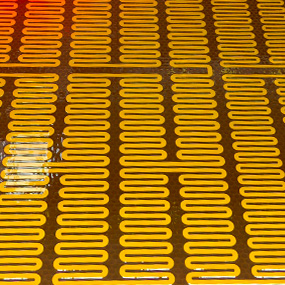
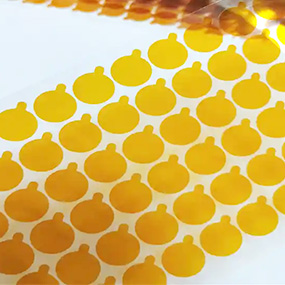
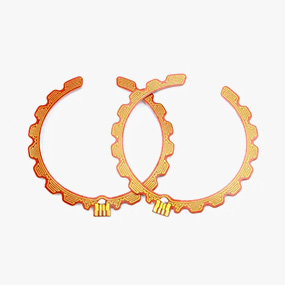
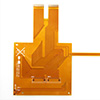
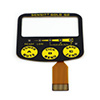
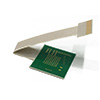
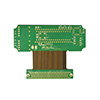
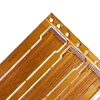
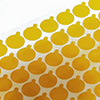
PI Film & FPC Cutting Samples
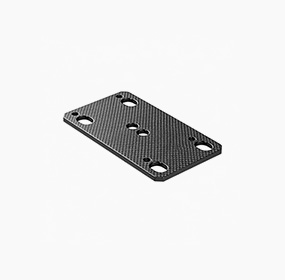
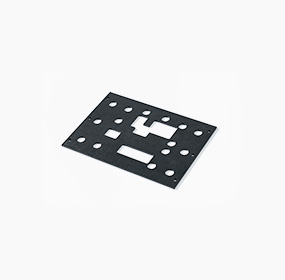
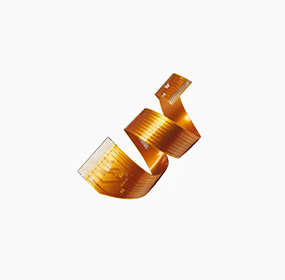
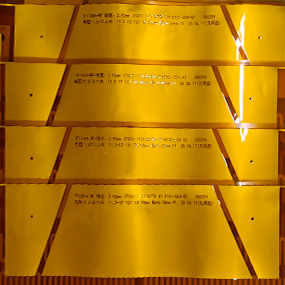
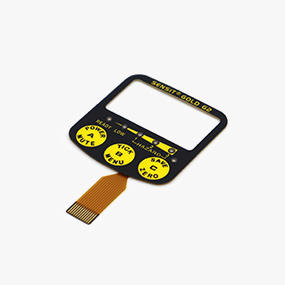
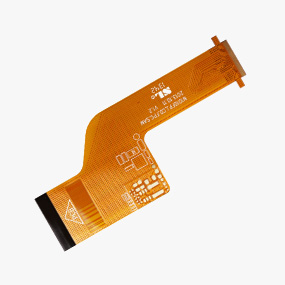
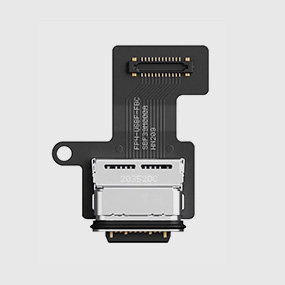
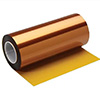
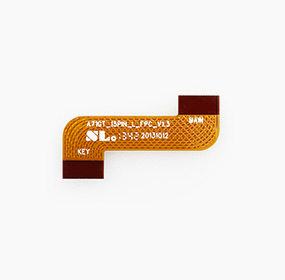
Explore PI film and FPC cutting samples for flexible circuits, insulation films, adhesive-backed polyimide sheets, electronic components, and custom thin-film parts. Our laser PI film cutting service supports fine contours, small holes, clean edges, and prototype-to-small-batch production for electronics and precision manufacturing projects in Singapore.


What We Do
Cutting Capabilities
Our UV and CO₂ laser systems are tuned for thin polymer films — delivering clean, burr-free cuts without the heat distortion, delamination, or micro-tears of mechanical die-cutting.
±0.05mm
Cutting Tolerance
standard; ±0.03mm for fine-pitch FPC on request
Tight positional accuracy maintained across roll-to-sheet and sheet formats. Critical for multi-layer flex alignment.
600×600 mm
Max Sheet / Panel Size
Full-panel processing in one pass. Eliminates repositioning errors on large flex circuit panels.
0.01 – 0.5mm
Film Thickness Range
single layer to multi-layer flex stack
From ultra-thin 10 μm single-layer PI to 0.5 mm multi-layer flex stacks with adhesive and coverlay.
Burr-free
Edge Quality
clean polymer edge, no charring or melt-back
No burrs, no micro-tears, no carbonisation on cut edges. UV laser minimises HAZ on copper traces near cut lines.
UV 355nm
Laser Type
+ CO₂ 10.6 μm — dual capability
UV laser (355 nm) for fine-pitch FPC with copper traces; CO₂ for pure PI film and simple outlines. Both in-house.
0.1mm
Fine Feature Size
minimum slot / feature width
Slots, via outlines, tab cuts, and registration holes as small as 0.1 mm wide. Ideal for FPC routing and coverlay trimming.
Materials
Film Types We Cut
8+ flexible and rigid-flex substrate types processed in-house. Each material has different laser absorption characteristics — our parameters are tuned per film type to prevent delamination, charring, and trace damage.
PI Film (Kapton)
0.013 – 0.25mm
DuPont Kapton HN / EN
Pure polyimide for gaskets, insulation layers, flex heaters and circuit substrates.
Flexible PCB (FPC)
0.05 – 0.3mm
PI + copper + adhesive stack
UV laser preserves copper traces. Single, double-sided and multi-layer.
Coverlay (PI + Adhesive)
0.025 – 0.1mm
Acrylic or epoxy adhesive bonded PI
Precision window and pad opening cuts for FPC protection layers.
PET Film
0.025 – 0.25mm
Polyester film for membrane switches
label substrates, and low-cost flex circuits. CO₂ laser cutting.
LCP (Liquid Crystal Polymer)
0.05 – 0.2mm
Low dielectric loss, precise cutting needed
High-frequency flex substrate for 5G antennas and mmWave applications.
PI + Stainless Steel (Rigid-Flex)
0.1 – 0.5mm
Stainless steel stiffener bonded to PI
Structural support for connector areas. UV laser cuts both layers clean.
FCCL (Copper-Clad PI)
0.05 – 0.15mm
Flexible copper-clad laminate before circuit patterning
Blanking and outline cuts for downstream processing.
PI Tape / Adhesive Film
0.01 – 0.08mm
Single or double-sided adhesive PI tape
Die-free custom shapes: gaskets, masks, protective film cuts.
Working with a multi-layer stack or unusual substrate? Send us your stackup — we’ll advise on the right laser and confirm capability before you commit.
Where PI Film Cutting is Used
PI film cutting is a core enabling process for flexible electronics — from wearable devices to satellite antennas and medical implants.
Semiconductor & Wafer Handling
Wafer Tape & Process Film Cutting
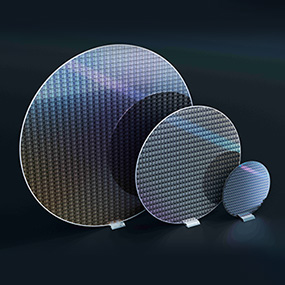
Dicing tape rings, backgrinding film, and UV-release tape cut to wafer carrier dimensions. Precise outline and slot cuts with no adhesive bleed onto cut edges.
Consumer & Wearable Electronics
Flexible Circuit & Antenna Cutting
FPC outlines, NFC / RFID antenna blanks, wearable flex circuits. UV laser preserves copper traces right up to the cut edge — critical where trace clearance is under 0.2 mm.
Medical Devices
Implantable & Diagnostic Flex Circuits
Thin PI flex circuits for catheter tips, neural probes, and diagnostic patches. Biocompatible materials, clean edges, and lot traceability available for regulated production.
Aerospace & Defence
High-Reliability Flex Assemblies
LCP and high-Tg PI substrates for avionics flex circuits and satellite communication antennas. Tight tolerances, full dimensional inspection reports on request.
Industrial & Thermal Management
Flex Heaters & Insulation Gaskets
Kapton flex heaters, thermal interface gaskets, and electrical insulation layer cuts. Custom shapes from DXF — no tooling or die setup required even for one-off jobs.
Display & Camera Modules
Display FPC & Camera Flex Cables
ZIF connector flex tails, camera module flex cables, and touchscreen connector strips. Tight pitch, consistent length, and burr-free edges for automated assembly insertion.
From Drawing to Delivery
Six steps, transparent at every stage. Most orders quote within 24 hours.
Upload Drawing
DXF, DWG, PDF, or STEP. We accept most 2D/3D formats.
Engineering Review
We check tolerances, material fit, and flag any DFM issues before quoting.
Quotation
Detailed quote within 24h — material, thickness, quantity, finish noted.
Production
Cutting run on our CO₂ laser. Parameters selected per UV and material type and thickness.
Quality Check
Dimensional verification. First-off approval for new jobs; batch sampling for repeats.
Delivery
Same-day dispatch for in-stock jobs. Local Singapore delivery or self-collect.
What Makes Our PI Film Cutting Different
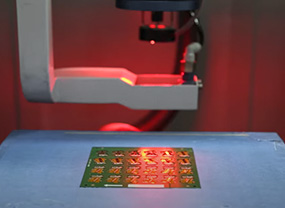
Thin film cutting is unforgiving — the wrong laser or fixture causes delamination, trace damage, and dimensional shift. We’ve built the process specifically for flex substrates.

UV Laser for Copper-Bearing FPC
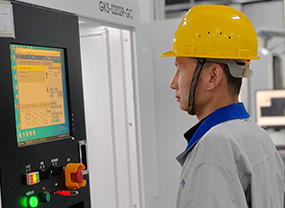
CO₂ lasers overheat copper traces near cut lines, causing delamination and discolouration. Our UV laser (355 nm) ablates the polymer cleanly without thermally loading copper — critical when trace clearance to the cut edge is under 0.3 mm.
No-Tooling Custom Shapes — From 1 Piece
Die-cutting requires expensive hard tooling and minimum quantities. We cut any 2D outline directly from your DXF — no NRE charge, no MOQ. Ideal for design iterations, prototype builds, and low-volume production where tooling investment isn't justified.
Multi-Layer Stack Capability
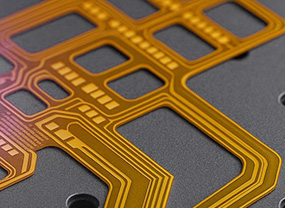
PI + adhesive + copper + coverlay stacks cut in a single pass without layer separation. We characterise each stackup before production to confirm the right power and speed settings — preventing adhesive bleed and inter-layer delamination at cut edges.
Semiconductor-Grade Cleanliness & Traceability
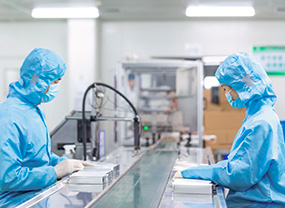
PI film cutting for semiconductor and medical customers requires particle-controlled handling and lot traceability. We offer clean-handling packaging, serialised job records, and first-article inspection reports — supporting your qualification and PPAP documentation requirements.
Laser Cutting vs Other PI Film Cutting Methods
Understand where laser cutting beats die-cutting and mechanical methods for flexible substrates.
| Criterion | Laser Cutting (Ours) | Steel Rule Die | CNC Router | Mechanical Punch |
|---|---|---|---|---|
| Dimensional tolerance | ±0.03mm | ±0.1–0.3mm | ±0.1mm | ±0.05mm (with die) |
| Tooling / NRE cost |
None
|
S$300–2000 per die |
None |
High (punch + die) |
| Min order quantity | 1 piece | 500–5000 pcs MOQ | 1 piece | 1000+ pcs typical |
| Copper trace damage |
None (UV laser)
|
Edge crush possible |
Heat / burr on traces |
Shear stress on traces |
| Design change lead time |
Same day (DXF update)
|
1–3 weeks (new die) |
Same day |
1–3 weeks (new punch) |
| Complex internal features |
Yes — any shape
|
Limited by die design |
Yes but slow |
Simple shapes only |
Featured Projects
PI Film Cutting Work We've Delivered
A selection of recent PI film and flex substrate cutting projects across semiconductor, medical, and consumer electronics.
Dicing Tape Ring Cutting
UV-release tape | 200mm wafer
5000 pcs/run
NFC Antenna Flex Blanks
FPC | 0.1mm | ±0.03mm
2000 pcs
Diagnostic Patch Flex Circuit
Kapton 0.05mm | UV laser
Lot traceable
Services That Work Well Together
PI film cutting is often one step in a broader flex assembly process. We handle what comes next.
Laser Engraving
Mark serial numbers, QR codes, and part IDs directly onto PI film surfaces without ink or labels.
FPC Cutting
Cut Carbon Fibersubstrates for display modules and optical assemblies alongside your PI film order.
Non-Metal Cutting
Acrylic, PC, FR4, and composite substrates cut with the same precision and no tooling cost.
Laser Cleaning
Remove oxide, adhesive residue, or contamination from flex substrates before bonding.
FAQ
PI Film Cutting Questions
These are some of the common questions customers ask before sending drawings or requesting quotation.
What is the difference between CO₂ and UV laser for PI film cutting?
CO₂ laser (10.6 μm) works well for pure PI film and simple outlines where copper traces are not close to the cut line. UV laser (355 nm) is preferred for FPC with copper layers — its shorter wavelength ablates the polymer without thermally loading the copper, preventing trace discolouration, delamination, and adhesive bleed. For multi-layer flex with tight trace-to-edge clearances under 0.3 mm, UV is the correct choice.
Can you cut multi-layer flex stacks (PI + adhesive + copper + coverlay)?
Yes. We regularly cut multi-layer flex stacks in a single pass. Before production we run test cuts on a sample of your stackup to confirm the parameters produce clean inter-layer separation with no adhesive bleed at the cut edge. Please provide your full stackup spec (layer order, thicknesses, adhesive type) when requesting a quote.
What is the minimum feature size or slot width you can cut?
Our UV laser can cut slots and features as small as 0.1 mm wide. For internal holes, the minimum diameter is approximately 0.2 mm. Practical minimum varies with film thickness — thicker multi-layer stacks require slightly larger minimum features due to kerf width and material relief. Include your tightest feature dimensions in your drawing and we’ll confirm feasibility at quoting stage.
Do you offer lot traceability and inspection reports?
Yes. For semiconductor and medical customers we provide serialised job records, first-article inspection (FAI) reports with dimensional measurements, and lot traceability documentation. If your application requires specific quality records for PPAP, IPC, or ISO 13485 submissions, please specify this when enquiring so we can confirm what documentation we can provide.
Can you cut from a roll rather than sheet format?
Roll-to-sheet cutting is available on request for standard PI and PET film rolls up to 300 mm wide. We unwind, flatten, and cut to your specified sheet dimensions before laser processing. For high-volume orders requiring continuous roll-fed laser cutting, please contact us to discuss production volume and setup requirements.
What file format should I use for PI film cutting drawings?
DXF is strongly preferred — it preserves your geometry at 1:1 scale with no PDF interpretation issues. For FPC outlines, please supply the board outline layer only (not copper, silkscreen or drill layers). Gerber RS-274X is also accepted for FPC board outlines. Ensure all lines are closed polylines with no gaps or overlapping segments, as open paths cause incomplete cuts.
Blog
PI Film Cutting Work We've Delivered

Sheet Metal Fabrication in Singapore: How to Choose the Right Supplier in 2026
The definitive 2026 guide to choosing a sheet metal fabrication supplier in Singapore — capabilities, certifications, the 12-point evaluation checklist.

How Much Does Laser Cutting Cost in Singapore? Pricing Factors Explained (2026)
Real laser cutting prices in Singapore for 2026 — from S$35 minimum charges to per-piece costs by material. Plus 5

Laser Cutting Services in Singapore: The Complete 2026 Buyer’s Guide
A practical 2026 guide to laser cutting in Singapore — processes, materials, pricing, lead time, and how to choose the

Laser Cleaning vs. Traditional Surface Treatment: When to Use Each Method
When buyers look for a laser marking machine, they are rarely asking a theoretical question. They are usually trying to

What to Include in Your CAD File to Get an Accurate Quote Within 24 Hours
When buyers look for a laser marking machine, they are rarely asking a theoretical question. They are usually trying to

Local vs. Overseas Metal Fabrication in Singapore: A Real Cost Comparison
When buyers look for a laser marking machine, they are rarely asking a theoretical question. They are usually trying to
Get Started
Get a Free Quote Today
Send your drawing or project requirement for review. We can discuss materials, related processing needs and a practical next step for your project.
Confidentiality Note
We understand the value of your design files. The information you submit will be used only for project evaluation, quotation and production communication. We take customer confidentiality, data security and intellectual property protection seriously.