Choosing powder coating vs anodizing vs passivation is not a matter of ranking three equivalent finishes. Each process works differently, fits different base materials and changes the finished part in a different way. The correct choice begins with the alloy, operating environment, cosmetic requirement, dimensions and downstream assembly—not colour alone.
Quick answer
Powder coating applies a cured organic coating and is often considered for steel or aluminium parts that need colour, texture and an appropriate protective system. Anodizing electrochemically converts the surface of aluminium into an oxide layer and is selected when an aluminium finish, wear behaviour or defined anodic coating is required. Passivation is a chemical treatment for clean stainless steel surfaces; it helps remove free-iron contamination and support the passive condition, but it is not a coloured coating and does not replace descaling or weld-cleaning operations.
For a drawing-based review covering cutting, edge preparation, masking and finishing, see our sheet metal laser cutting services in Singapore.
Powder Coating, Anodizing and Passivation Are Not Direct Substitutes
These processes are sometimes grouped under “surface finishing”, but they do not solve the same problem. Powder coating adds an organic film over a prepared substrate. Anodizing converts the aluminium surface into an anodic oxide. Passivation treats a chemically clean stainless steel surface to remove contamination and promote a suitable passive condition.
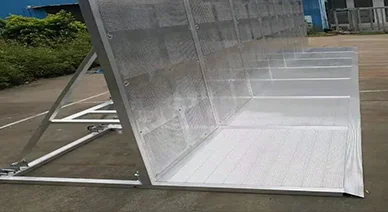
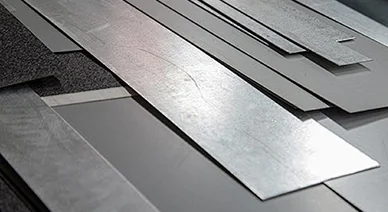
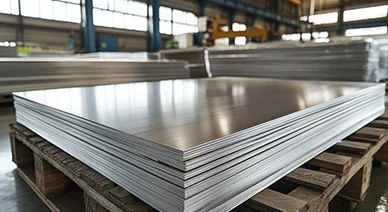
The material therefore removes many unsuitable options before appearance is considered. Mild steel is commonly evaluated for a coating system, not stainless-steel passivation. Aluminium may be anodized or powder coated. Stainless steel may be passivated for surface cleanliness or coated where a separate colour or barrier system is required.
Powder Coating vs Anodizing vs Passivation: Comparison
| Decision factor | Powder coating | Anodizing | Passivation |
|---|---|---|---|
| Typical substrate | Properly prepared conductive metal, commonly steel or aluminium; the pretreatment must suit the substrate and service condition. | Aluminium and suitable aluminium alloys. | Stainless steel grades compatible with the specified treatment. |
| What changes | Adds a cured organic coating over the surface. | Converts aluminium at the surface into an anodic oxide layer. | Chemically cleans the stainless surface and helps establish the passive condition. |
| Appearance | Wide choice of colours, gloss levels and textures, subject to the coating supplier and batch. | Clear or coloured finishes; alloy, temper, preparation and process affect the result. | Usually not selected to add colour or hide visual defects. |
| Dimensional concern | Film build affects threads, bores, slots, fits and electrical contacts. | Anodic coating changes dimensions; critical holes and threads need allowance or masking. | Not normally specified as a dimensional build coating, but cleaning or prior descaling may affect the surface. |
| Common masking | Threads, grounding points, bearing seats, fit surfaces, weld zones and sealing faces. | Threads, bores, close-tolerance faces and electrical contacts. | Defined treatment boundaries and areas requiring a different final condition. |
| Key limitation | Performance depends on substrate preparation, coating selection, cure, edge coverage and damage control. | Restricted to aluminium; colour and appearance can vary with alloy and process history. | Does not remove heavy scale or automatically restore a poorly prepared weld area. |
| Typical inspection | Colour, gloss, film thickness, coverage, adhesion or cure tests when specified. | Type/class, coating thickness, colour range, sealing, rack marks and final dimensions. | Process record, cleanliness and specified free-iron or corrosion verification tests. |
When Powder Coating Fits Laser-Cut Sheet Metal
Powder coating is commonly shortlisted for mild-steel machine guards, brackets, frames, cabinets and enclosures that need a defined colour and finish. It can also be applied to aluminium and certain stainless steel projects when the complete pretreatment and coating system is compatible with the substrate and intended environment.
The visible colour is only the final layer of the decision. Oils, fingerprints, laser residues, oxide, dross and unstable surface contamination can interfere with pretreatment or adhesion. The processor must select a cleaning and pretreatment route for the actual material rather than use one generic sequence for every metal.
What the drawing should define
- Colour reference, such as an agreed RAL code or approved sample.
- Gloss and texture where appearance matters.
- Required coating system or governing specification, if one applies.
- Surfaces to coat and surfaces to mask.
- Cosmetic faces and the viewing or acceptance conditions.
- Critical dimensions that apply after coating.
- Any required film-thickness, adhesion or cure records.
Threads, press-fit regions, grounding points and bearing seats often require masking or post-finish work. Sharp edges can also receive less effective coverage than broad faces. If edge durability is important, the edge-break requirement and coating acceptance criteria should be agreed before production rather than judged after the finished parts arrive.
When Anodizing Fits Aluminium Parts
Anodizing is primarily an aluminium process. It may be selected for decorative appearance, corrosion performance, wear behaviour or a controlled aluminium surface. It should not be presented as a general coating option for mild steel or stainless steel.
Alloy and temper matter. Two aluminium parts described only as “black anodized” may not match if they use different alloys, surface preparation, heat histories or production batches. Machined faces, laser-cut edges and welded regions can also respond differently. For cosmetic assemblies, specify the alloy, finish, colour tolerance, visible faces and whether parts must be processed as one batch.
Because anodizing is electrochemical, the part requires electrical contact during processing. The permitted rack or contact-mark location should be stated for visible parts. Masking may be possible, but complex masks, many threaded holes and tight cosmetic restrictions add cost and handling risk.
What Passivation Does for Stainless Steel
Stainless steel relies on a thin chromium-rich passive surface film for corrosion resistance. Fabrication can introduce free iron and other contamination through tooling, handling, grinding media or contact with carbon steel. A specified passivation treatment can help remove free-iron contamination from a suitably cleaned stainless surface and support formation of the passive condition.
Passivation is not the same as pickling, descaling, polishing or painting. It does not hide scratches, remove burrs or turn an unsuitable stainless grade into a material that can resist every chloride environment. Heavy oxide scale and weld heat tint may require prior mechanical or chemical treatment appropriate to the part and its acceptance requirements.
Specify the process and verification—not just “passivate”
Where a controlled requirement applies, the drawing or purchase specification should identify the applicable process standard, stainless grade, cleaning condition and required verification. ASTM A967/A967M, for example, covers several chemical passivation treatments and alternative tests for confirming treatment effectiveness. The correct method and test still depend on the part, grade and customer requirement.
How Laser-Cut Edges Affect the Final Finish
A finishing specification cannot correct every upstream cutting issue. The cut edge should first meet the required geometry and surface condition. Burr, attached dross, scale, oil and unstable oxide should be assessed before coating or chemical treatment.
Assist-gas selection affects the cut surface. For example, an oxygen-cut mild-steel edge may require oxide removal before a specified coating system, while nitrogen cutting is often considered where a low-oxide edge is valuable. That does not mean every nitrogen-cut edge is automatically ready for finishing; cleanliness, burr, roughness and handling still matter. See our guide to nitrogen vs oxygen laser cutting.
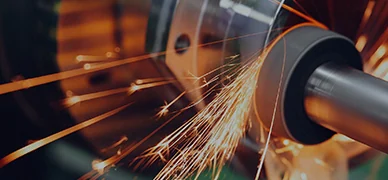
Our guide to laser-cut edge quality, burr and dross explains when a defect may be removable by deburring and when the part should be reviewed or recut. Where surface preparation is part of the production route, define the required appearance and edge break with the relevant polishing and grinding process.
Masking, Fits, Threads and Process Sequence
Finish requirements should be designed into the part. A note added after cutting and bending can leave threads filled with coating, electrical contacts insulated, bores undersized or cosmetic surfaces marked by handling.
| Feature | What to specify | Why it matters |
|---|---|---|
| Threads | Mask, plug, chase after finishing or define the acceptable finished condition. | Coating or anodic build can affect assembly; reworking can expose untreated surfaces. |
| Grounding points | Identify exact conductive contact areas and acceptable masking boundary. | Powder coating is electrically insulating and can interrupt bonding. |
| Close-tolerance holes | State whether dimensions apply before or after finish and whether reaming is required. | Coating and anodizing can change the functional opening. |
| Weld zones | Define the welding and finishing sequence. | Coatings must generally be kept out of weld preparation areas; welding after finishing damages adjacent surfaces. |
| Sealing faces | Show treatment boundaries and final surface requirement. | Uneven build or masking edges can affect sealing. |
| Cosmetic faces | Identify viewing direction, allowed marks, grain direction and sample requirement. | Rack marks, hooks, contact points and handling need planned locations. |
For welded assemblies, it is often practical to complete cutting, bending and welding and structural assembly before the final finish. Exceptions exist, so the sequence should be confirmed from the full drawing, access for cleaning, distortion risk and finish specification.
Cosmetic and Functional Inspection
Inspection should match the function of the finish. A cosmetic enclosure may need an agreed colour range, gloss, texture and viewing standard. A functional bracket may prioritise coverage, film thickness, masking and corrosion requirements. A stainless component may require passivation records or a defined test rather than a purely visual judgement.
Critical-to-function dimensions should be identified on the drawing and included in the inspection plan. For project-specific records and measurement scope, review our quality assurance approach.
Selecting a Finish for Singapore Conditions
Singapore’s warm, humid and coastal environment makes corrosion planning important, but “Singapore outdoor use” is not a complete exposure specification. A sheltered indoor control panel, a directly rained-on cabinet, a coastal structure and a washdown component face different risks.
| Service condition | Finishing questions to resolve |
|---|---|
| Dry indoor equipment | Is the priority appearance, cleanability, electrical bonding or basic handling protection? |
| Air-conditioned area with condensation risk | Can moisture collect at folds, fasteners or interfaces? Is drainage available? |
| Sheltered outdoor installation | What humidity, UV, wind-driven rain and maintenance exposure should the system tolerate? |
| Direct weather exposure | Which substrate, pretreatment, coating or anodizing specification and edge design apply? |
| Coastal or marine environment | What chloride exposure, splash condition, crevice geometry, dissimilar-metal contact and inspection interval exist? |
| Washdown or chemical cleaning | Which chemicals, temperature, frequency and hygienic requirements must the finish withstand? |
Cost, Lead Time and Finishing Coordination
The lowest quoted finish price is not always the lowest delivered-part cost. Pretreatment, masking, minimum batch charges, colour changes, racking, inspection, transport, protective packaging and rejected cosmetic parts can materially affect the result.
| Cost driver | Why it matters | How the buyer can reduce uncertainty |
|---|---|---|
| Surface condition | Oxide, burr, weld residue and cosmetic defects may require additional preparation. | Define the incoming and finished surface requirement. |
| Masking complexity | Many plugs, threads and irregular boundaries add labour and verification. | Provide a marked drawing showing every mask zone. |
| Colour and batch | Special colours, small batches and repeat colour matching may increase setup and procurement. | State approved colour references and whether parts must run as one batch. |
| Inspection records | Film thickness, colour, adhesion, sealing or passivation tests require defined sampling and documentation. | Specify required reports at quotation stage. |
| Partner processing | External finishing may add transport, coordination and packaging steps. | Confirm the included scope, responsible processor and final acceptance point. |
Surface-Finish RFQ Checklist
Send the complete drawing package rather than only a colour name. Include the following where applicable:
Frequently Asked Questions
Can stainless steel be powder coated?
Yes, stainless steel can be powder coated when the coating system and pretreatment are compatible with the substrate and service environment. Powder coating adds colour or a barrier layer; it does not perform the same function as stainless-steel passivation.
Is anodizing better than powder coating for aluminium?
Neither is universally better. Anodizing converts the aluminium surface and can retain a metallic appearance, while powder coating offers broad colour and texture choices. The decision depends on alloy, appearance, dimensions, wear, corrosion environment, electrical requirements and repair expectations.
Does passivation change stainless steel dimensions?
Passivation is not normally specified as a dimensional build coating. However, the complete cleaning, descaling or pickling route must be reviewed for critical surfaces. Tight dimensions should be identified and measured according to the drawing.
Must laser-cut edges be prepared before powder coating?
The required preparation depends on the edge condition and coating specification. Burr, dross, unstable oxide, oil and contamination should not be assumed acceptable. Edge break, cleaning, pretreatment and coating coverage should be agreed before production.
Should sheet metal parts be welded before or after finishing?
Many assemblies are cut, formed and welded before final finishing because welding damages adjacent coatings. The correct sequence depends on access for cleaning, distortion, masking, corrosion protection and whether components must remain replaceable.
Which finish is suitable for outdoor metal parts in Singapore?
The answer depends on substrate, direct rain, UV, chloride exposure, drainage, cleaning and maintenance. Powder-coated steel, anodized aluminium or suitably specified stainless steel may all be candidates. The complete material-and-finish system should be reviewed for the actual exposure.
Review Your Sheet Metal Finish Requirements
Send the material grade, drawings, quantity, exposure conditions, finish specification, masking plan and inspection requirements. We can review cutting, edge preparation, fabrication and finishing as a coordinated manufacturing route.
Technical references: ASTM International, ASTM A967/A967M—Chemical Passivation Treatments for Stainless Steel Parts; worldstainless, Pickling and Passivating Stainless Steel; Aluminum Anodizers Council, Anodized Aluminum FAQ and Anodic Coating Specifications; Powder Coating Institute, Powder Coating Process and Quality-Control Topics. Final process selection depends on the drawing, substrate, exposure and project specification.