

Aluminium Laser Cutting & Fabrication in Singapore
Drawing-based aluminium sheet, plate and profile parts for equipment, automation and industrial projects. We review the alloy, temper, stock form, geometry, finish and inspection requirements before confirming a manufacturing route.
Specify the alloy, temper and stock form—not just “aluminium”
5052 is a practical starting point for many formed sheet-metal panels and enclosures. 6061 is commonly considered for plate, machined parts and structural components, but a hard temper can be less forgiving in tight bends. 6063 is primarily associated with extruded profiles and appearance-sensitive sections. 7075 provides high strength for selected machined parts, yet it is not the default choice for welded or deeply formed fabrication.
1050 or 1050A offers high purity, conductivity and formability where strength demands are modest. The final choice should follow the drawing, load case, corrosion environment, joining method, finish and applicable material standard.
A practical comparison for fabricated parts
The same alloy number can behave differently across tempers and stock forms. This table is an RFQ starting point, not a substitute for the responsible engineer’s material specification.
| Alloy family | Useful characteristics | Typical project fit | Fabrication review |
|---|---|---|---|
| 1050 / 1050A | High-purity aluminium with good formability, conductivity and corrosion resistance; relatively low strength. | Electrical or thermal components, light-duty panels, reflectors and formed covers where the specification permits. | Highly reflective material requires an appropriate laser setup. Confirm temper where bending matters. |
| 5052 | Non-heat-treatable aluminium-magnesium alloy with useful sheet formability, corrosion resistance and weldability. | Enclosures, panels, trays, brackets and marine-adjacent equipment parts subject to project review. | Often a sensible sheet-metal choice; bend radius still depends on temper, thickness, direction and tooling. |
| 6061 | Heat-treatable alloy used for plate, profiles, machined parts and structural components. | Base plates, frames, brackets, fixtures and parts combining fabrication with machining. | T6 material needs careful bend review. Welding changes properties in the heat-affected zone and may affect design assumptions. |
| 6063 | Extrusion-oriented alloy known for producing profiles with a good surface appearance. | Frames, rails, channels, housings and custom or standard extruded sections. | Do not treat it as a universal substitute for sheet. Confirm profile availability, temper, straightness and post-machining features. |
| 7075 | High-strength heat-treatable alloy often selected for machined, weight-sensitive components. | Selected fixtures, tooling and high-strength components where the design explicitly calls for it. | Not a general enclosure alloy. Forming, welding, corrosion protection and material availability require early review. |
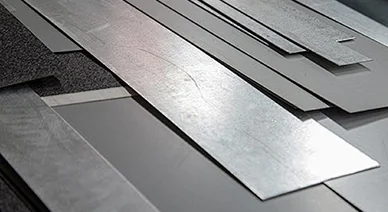
Sheet, plate and extrusion do different jobs
Material selection is not complete until the available form matches the part. A folded cover starts from sheet; a machined base may start from plate; a long rail or frame member may be better represented by an extrusion. Substituting one form for another can change tolerances, grain flow, finish and cost.
Use the project requirement to narrow the grade
These are practical screening questions. Final material responsibility remains with the customer’s engineer and drawing.
Formability and conductivity
Consider where high purity, electrical or thermal behaviour and relatively easy forming matter more than high mechanical strength.
Review: reflectivity, temper and load.Sheet-metal workhorse
Often suited to bent panels, enclosures and corrosion-conscious sheet parts. It can be a more fabrication-friendly starting point than a hard 6061 temper.
Review: bend direction, radius and finish.Structure and machining
Useful when a part combines stiffness, plate or profile stock and machined detail. The temper must be considered before bending or welding.
Review: T6 bends and weld-zone properties.Extruded sections
Commonly associated with profiles where section geometry and surface appearance are important, including rails, frames and channels.
Review: available profile and straightness.High-strength parts
Reserved for projects that genuinely need its strength-to-weight performance, most often in machined rather than general welded-sheet applications.
Review: joining and corrosion protection.Not sure yet
Send the load, environment, stock form, manufacturing route and finish requirements. We can review manufacturability without silently changing the design specification.
Material approval remains a design decision.Plan cutting, forming, joining and marking together
A good flat profile can still fail at the next operation. The drawing review should follow the part through the entire route rather than treating each process as an isolated purchase.
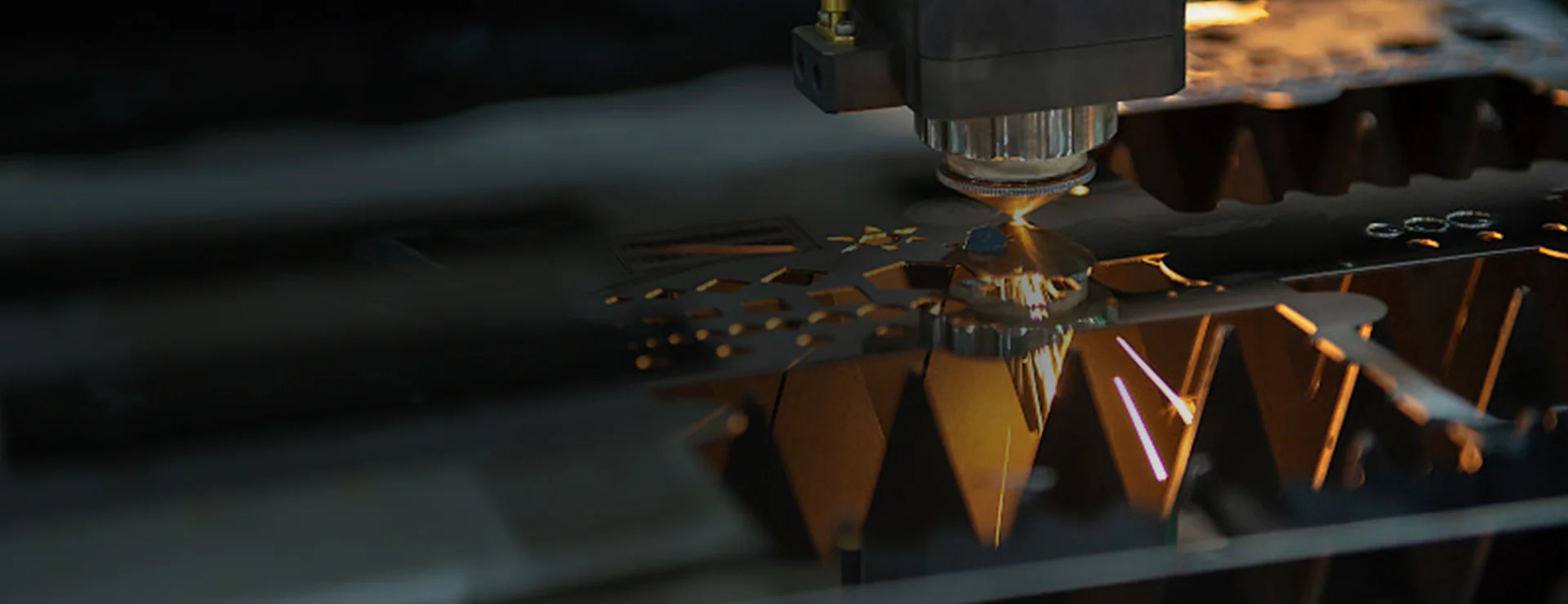
Laser cutting
Flat profiles, holes and slots are reviewed against alloy, thickness, feature size, edge requirement and downstream use.
Sheet metal laser cutting →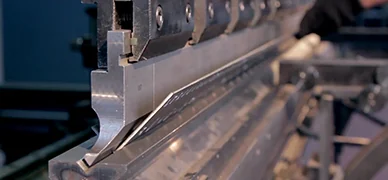
Bending & folding
Temper, thickness, grain direction, bend radius, tooling and cosmetic-face protection influence the formed result.
CNC bending & folding →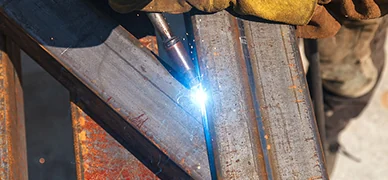
Welding & assembly
Joint design, access, heat input, distortion and the alloy’s weld response should be reviewed before the flat parts are released.
Welding & assembly →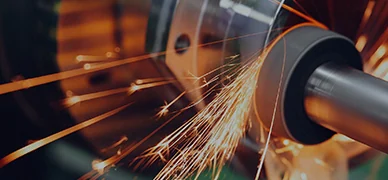
Deburring & finishing
Edge condition, grain direction, visible faces and coating preparation should be defined by function—not by an undefined “good finish” note.
Polishing & grinding →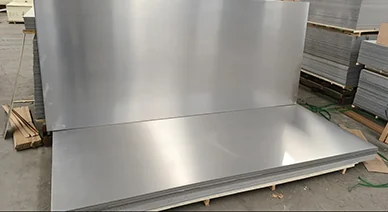
Secondary machining
Locating holes, bearing fits, threads, counterbores and precision datums may need drilling, reaming, tapping or CNC finishing after cutting.
Review metal-cutting options →
Marking & traceability
Bare, anodized and coated aluminium respond differently. Code size, contrast, readability and process order should be agreed on a representative surface.
Laser marking & engraving →Reflectivity is only one part of the cutting decision
Aluminium reflects laser energy strongly, particularly in some conditions and wavelengths. Modern equipment and appropriate process control can cut many aluminium parts, but the quotation still depends on alloy, thickness, surface condition, geometry and edge requirements.
Do not infer a guaranteed thickness, speed or tolerance from the material name alone. Confirm the real drawing and the required downstream operation.
Define appearance and protected areas on the drawing
The finish is part of the functional specification. Masking, electrical contact, bonding, threads, tolerances and cosmetic acceptance should be settled before processing.
Anodizing
Often selected for aluminium appearance and surface protection. Alloy, temper, pretreatment, colour and part-to-part expectations can affect the visual result. Identify masked areas, threads and critical fits.
Powder coating
Provides colour and a coated surface for panels, covers and frames. Coating build can affect holes, threads, seams, grounding points and assembly clearances, so masking notes matter.
Brushed or cosmetic finish
State the visible face, grain direction, acceptable handling marks and protective-film requirement. A cosmetic specification should be measurable enough for both production and inspection.
Lightweight parts for equipment and industrial assemblies
Aluminium is useful when weight, corrosion behaviour, thermal performance, machinability or appearance justifies it. The alloy and finish still need to follow the real service conditions.
Automation panels & control enclosures
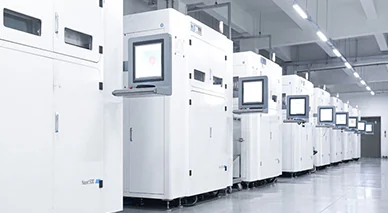 Electronics & production equipment
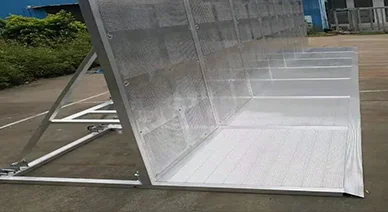 Machine frames, guards & supports
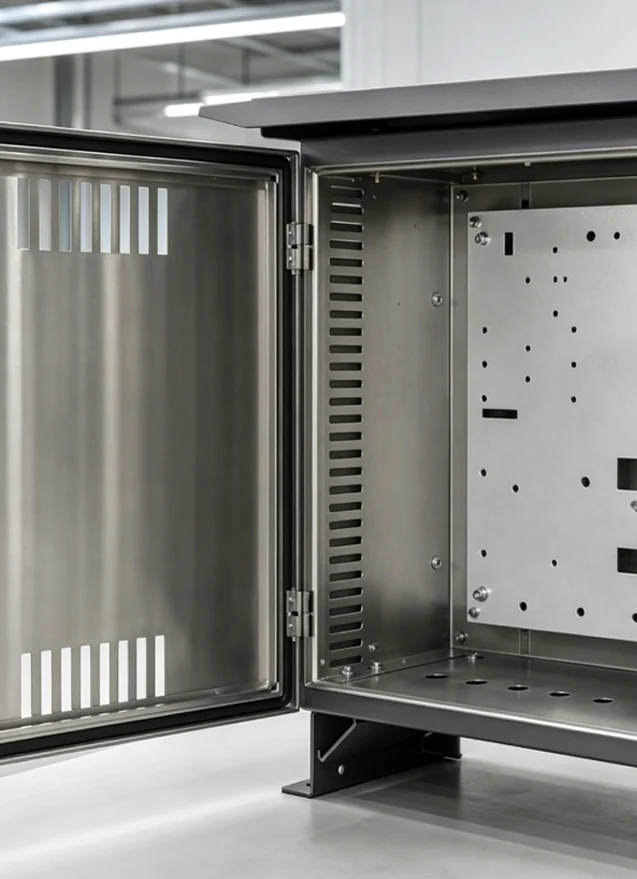 Housings, covers & access panels
Inspect the feature that controls assembly
A laser machine’s positioning figure is not a blanket guarantee for the finished component. Cutting, bending, welding, coating and handling can each affect the final condition.
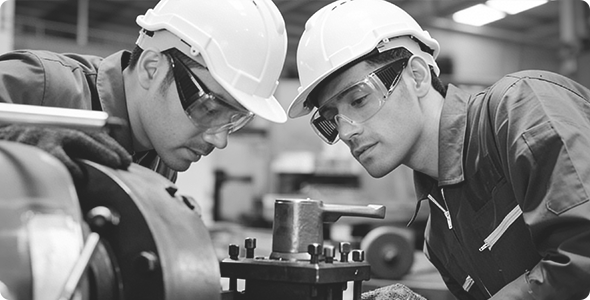
Put critical characteristics, acceptance criteria and documentation requirements in the RFQ. General notes such as “high precision” or “perfect finish” are not inspection criteria.
What to send for an aluminium quotation
Clear inputs allow cutting, forming, joining, finishing and inspection to be reviewed as one manufacturing route.
Related aluminium services and guides
Aluminium fabrication questions
Should I choose 5052 or 6061 for a sheet-metal part?
5052 is often a practical choice for formed sheet-metal enclosures, trays and panels because of its useful formability, corrosion resistance and weldability. 6061 may suit plate, machined or structural components, but a hard temper such as T6 needs closer bend review. The design engineer should confirm the alloy and temper against load, environment and fabrication route.
What is 6063 aluminium normally used for?
6063 is commonly associated with extruded profiles such as channels, rails and frames, particularly where section geometry and appearance matter. It should not be treated as a universal replacement for 5052 sheet or 6061 plate. Confirm the available profile, temper, straightness and secondary features.
Can 7075 aluminium be welded and folded like ordinary sheet?
7075 is selected mainly for high strength and is not the default alloy for general welded or deeply formed fabrication. Joining, bendability, corrosion protection and heat-affected properties require project-specific engineering review. Do not substitute it solely because it is stronger.
Can laser-cut aluminium holes be used for precision fits?
Clearance holes may sometimes be used as cut, but locating-pin, bearing, threaded and close-fit holes require individual assessment. Diameter, thickness, taper, roundness and functional tolerance may make drilling, reaming, tapping or CNC finishing necessary.
Should aluminium be marked before or after anodizing or powder coating?
It depends on the required contrast, durability, code readability and whether the mark must affect the coating or the substrate. Bare, anodized and coated aluminium respond differently. Confirm the final surface, mark area, code size and acceptance method; representative sample testing may be appropriate.
What files should I send for a quotation?
Send a DXF for flat profiles, a STEP model for formed, profiled or machined parts, and a PDF drawing identifying alloy, temper, thickness, quantity, tolerances, datums, finish, welding, marking and inspection notes. State which file governs if the files conflict.
Turn the aluminium specification into a manufacturable part
Share the drawing, alloy, temper, stock form, quantity and finish for a project-specific review.