

Copper Laser Cutting & Fabrication in Singapore
Copper parts need more than a clean outline. The grade, bend condition and contact surfaces matter just as much.
Send your drawing for copper sheet parts, electrical links, thermal plates and formed components. We review the material and finishing requirements before confirming the production route.
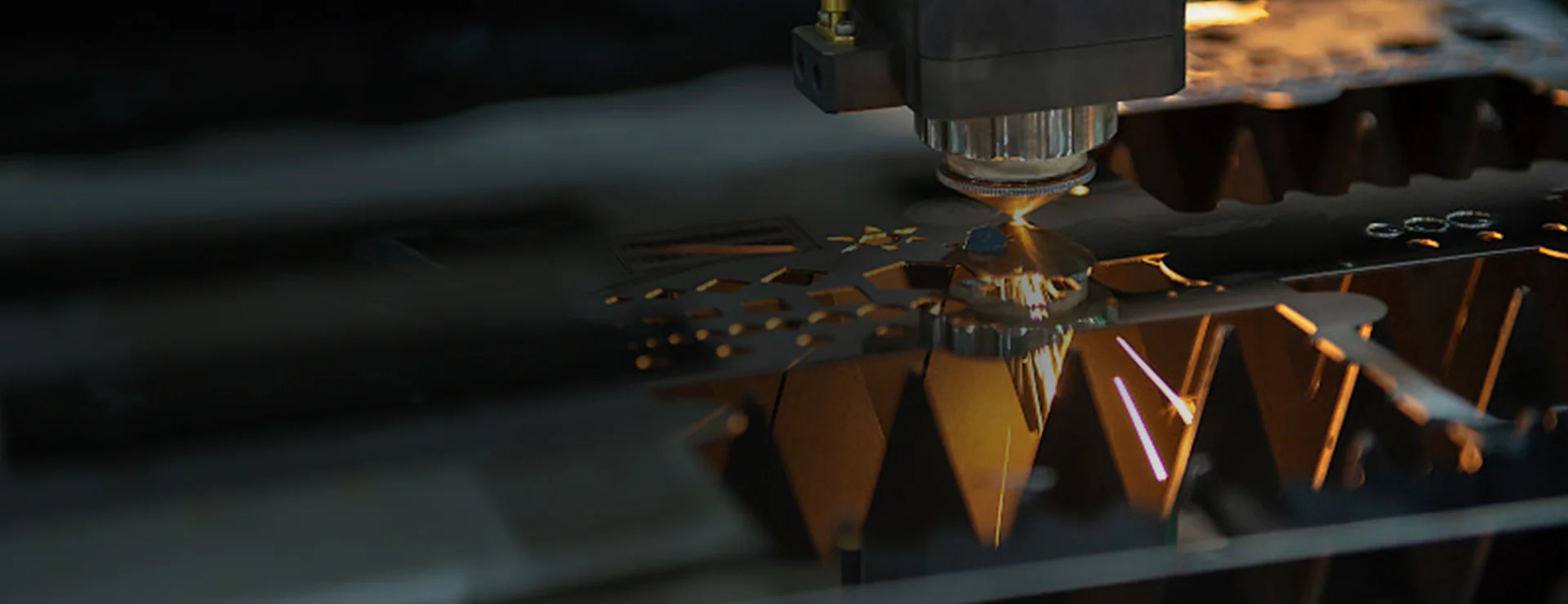
What does your copper part need to do?
A busbar link, a shielding panel and a heat spreader may all start as copper sheet. Their acceptance requirements are different. Tell us which surfaces conduct, which dimensions locate the part and which faces remain visible.
Busbars, links & terminals
Flat or formed conductors, earthing bars and terminal plates for equipment and electrical assemblies. Specify hole centres, bend orientation, contact faces and any plating before material is ordered.
Electrical ratings, clearances and fault-duty requirements remain with the system designer. A correctly cut outline is not evidence of an electrically validated assembly.
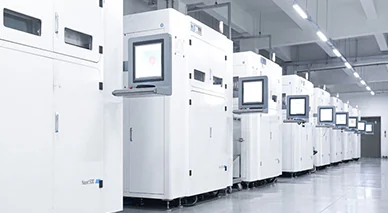
Thermal & shielding parts
Heat-spreader blanks, conductive plates and shielding components for equipment projects. State flatness, mating-face finish, mounting details and the condition in which the part will be inspected.
Thermal performance and shielding effectiveness depend on the complete design, interfaces and assembly—not on the copper grade alone.

Formed & replacement parts
Brackets, covers, folded contacts and drawing-based replacement components. A STEP model helps resolve bend direction; a dimensioned PDF defines the critical features.
For an existing part without a complete drawing, identify what must match. A worn sample should not automatically become the dimensional reference.
Images are selected from the Lumen Future website material and application library; they are not evidence of a specific customer project.
Choose the grade.
Then confirm the temper.
Higher purity is not automatically better value. Start with the drawing specification, electrical or thermal duty and joining process. Material availability and certification are confirmed for the order.
| Grade / designation | Useful starting point | What to check before ordering |
|---|---|---|
| UNS C11000 ETP copper | General conductive components, electrical links and many busbar applications. | Required product standard, temper and conductivity. Review oxygen-bearing copper carefully where heating in a hydrogen-containing or reducing environment is involved. |
| UNS C10200 Oxygen-free copper | Conductive or thermal components where oxygen content and the joining environment matter. | The specified oxygen limit, form, certificate and joining procedure. Oxygen-free material does not remove the need for process qualification. |
| UNS C10100 Oxygen-free electronic copper | Specialist electronic or vacuum-related parts with defined purity requirements. | Whether the application actually requires this grade, plus supply form, traceability and customer acceptance criteria. |
| JIS C1100 / C1020 | ETP and oxygen-free designations that may appear on regional drawings and supply documents. | Use the full JIS specification and temper. Cross-reference against the governing standard rather than treating a shorthand conversion as approval. |
“C101” is not enough information. A short commercial designation may mean different things under different systems. Do not assume that BS C101 means UNS C10100. Include the complete standard and material certificate requirement in the RFQ.
Temper affects bending, hardness and handling. A hard sheet and an annealed sheet of the same grade are not interchangeable for a tight fold. State the supplied condition, thickness, inside bend radius and finished geometry; flag any substitution for approval.
Grade terminology: Copper Development Association data for C11000, C10200 and C10100. Regional designation examples: Singapore copper and brass catalogue. These references do not confirm current Lumen stock or a substitute grade.
The cutting route follows the part.
Copper reflects laser energy and carries heat away quickly. Grade, surface condition, thickness and feature geometry all affect the process window. We assess the drawing rather than apply one speed or tolerance to every copper part.
For the technical background, read our copper laser cutting guide. For the production scope, see sheet metal laser cutting.
Cut the blank
Review piercing positions, narrow webs, small holes and part spacing. Agree which edges may show colour change or require finishing. Assist gas and cutting parameters are selected for the material and downstream process; a bright edge is not a guarantee of zero oxidation.
Finish critical features
Clearance holes may be acceptable as cut. Locating holes, threads and close fits can need drilling, reaming or machining. Specify diameter, position, taper and burr requirements where they affect assembly. Additional operations must be included in the quotation.
Form and join
Bending depends on temper, thickness, radius and grain direction. Welding, brazing and mechanical fastening are different routes; each needs its own review. Do not assume that a general welding capability validates every copper grade or joint.
Mark, finish and protect
Agree the marking position and contrast, then protect the functional faces during finishing and packing. If plating, brazing or specialist testing is needed, the quotation must confirm availability, responsibility and whether an external partner is involved.
A bright surface is not
an electrical specification.
Colour, cleanliness and contact performance are separate acceptance criteria. Mark the functional areas on the PDF drawing so finishing does not become guesswork.
Conductive contact faces
Identify the mating area, flatness or roughness requirement, plating and permitted residues. Confirm whether resistance or other electrical tests are required. Visual inspection alone cannot establish connection performance.
Cut edges & holes
State whether burrs are prohibited on the assembly side, whether an edge break is needed and which holes require finishing. Excessive polishing must not alter a fit or reduce a functional contact area.
Joining & coating zones
Define areas for soldering, brazing, welding or plating. Specify masking and cleaning requirements. Do not substitute a cleaning process or chemical without checking its effect on the next operation.
Visible faces & packaging
Agree the acceptable handling marks, finish direction and surface protection. For Singapore storage and delivery, specify clean, dry packing and separation of finished faces. Copper can tarnish after processing; appearance at delivery should be an agreed requirement.
Discuss deburring and finishing or cleaning options against the actual part. Neither process should be specified simply to make every surface look the same.
Built to your equipment drawing.
For switchboard builders, automation teams and equipment manufacturers, the practical question is usually how the copper part fits the assembly. Include the mating component, installation orientation and final surface condition when these affect acceptance.
Singapore has an established semiconductor and equipment manufacturing ecosystem. That makes traceability, drawing revisions and well-defined inspection important—not a reason to label every copper part “semiconductor grade”.
See related industrial automation and semiconductor and electronics applications.
Agree the acceptance plan before production
Distinguish flat-blank dimensions from measurements after bending, joining or coating. A part can pass its outline check and still fail on hole position, contact-face flatness or assembly clearance.
Request the inspection scope and report format with the RFQ. Identify critical dimensions, material traceability, first-off approval and batch sampling where applicable. See our quality assurance page for the general approach.
Component manufacture is not electrical system certification. The customer’s responsible engineer must approve conductor sizing, current rating, temperature rise, fault duty and electrical clearances. Fabricating a copper link does not certify the completed switchboard to IEC 61439 or the installation to SS 638. Required testing and compliance documents must be agreed separately.
Six things that make a copper RFQ clearer.
Send what you have, and flag what is still open. A short note about the part’s function is more useful than an assumed material substitution.
- 01 / MaterialFull grade and standard, temper, thickness and certificate requirement. Tell us whether you will supply the stock or need material included.
- 02 / GeometryDXF for flat outlines, STEP for formed or three-dimensional parts, and a dimensioned PDF. Include drawing number, revision and the governing document if files conflict.
- 03 / Functional featuresCritical dimensions, hole fits, datums, flatness, bend radii and installation orientation. Highlight conductive or thermal contact faces.
- 04 / Surface & secondary workBurr direction, edge break, joining, marking, plating and masking requirements. Identify cosmetic faces and permitted handling marks.
- 05 / Quantity & inspectionPrototype, first batch and expected repeat quantities. State first-off approval, report format and any electrical or specialist tests requested.
- 06 / Singapore deliveryRequired delivery date, receiving location, packing and labelling instructions. Material availability, approvals and finishing affect the confirmed lead time.
Cost depends on the grade, stock form, sheet utilisation, feature count, setup, finishing and inspection—not a universal price per metre. For the wider quotation breakdown, read our laser cutting cost guide.
Send your copper drawingCopper fabrication questions
Which copper grades can I request?
Send the complete grade and standard, such as UNS C11000, UNS C10200, UNS C10100 or a specified JIS grade, together with the temper and thickness. Availability and suitability are confirmed for each order; listing a grade here is not a stock guarantee.
Is C101 the same as C10100?
Not necessarily. Short designations depend on the standard system. Do not assume that BS C101 means UNS C10100. Provide the full specification and request approval before substituting a grade.
Can a copper busbar be laser cut?
A laser-cut blank may be suitable for some busbar geometries. Thickness, holes, bends, contact surfaces and finishing determine the route. The customer’s engineer must confirm electrical sizing and system requirements; laser cutting alone does not establish the busbar’s current rating.
Do copper holes need drilling after cutting?
Not every hole does. Clearance holes may be acceptable as cut, while tight fits, threads or demanding hole-quality requirements may need drilling, reaming or machining. Show the required fit, location and edge condition on the drawing.
Can cutting, bending and surface treatment be quoted together?
Send the finished-part drawing and list the required operations. The quotation should identify the included processes, any external specialist work and the final inspection condition. Copper joining and plating require project-specific confirmation.
Will the finished copper stay bright?
Bare copper can tarnish during handling, storage and service. If colour or surface condition matters, specify the required finish, protection and delivery acceptance criteria. A shiny surface does not by itself prove electrical contact quality.
Explore the manufacturing route
Have a copper part to quote?
Send the drawing, grade, thickness and quantity. Mark the contact faces and tell us what the finished part needs to do.