

Quick answer: Identify the tool, steel or other substrate, surface finish, coating and deposit. Mark a representative trial area and no-treatment features on photographs or drawings. Agree how residue removal and surface preservation will be checked before approving wider cleaning. After cleaning, the mould owner must separately decide whether the tool and first moulded parts are ready for production.
In this guide
Residue on an injection mould raises a practical maintenance question: how can the deposit be removed while protecting the cavity finish and confirming that the tool is fit to return to production? For a toolroom or maintenance buyer, the first question is not which laser setting to use. It is what must be removed, what must remain unchanged and who will approve the result.
This guide explains how to prepare an enquiry about laser cleaning for injection moulds in Singapore. It covers accessible mould faces, removable inserts and related tooling under a project-specific feasibility review; it does not assume that every complete mould can be accepted, cleaned in the press or processed on-site.
Identify the Mould, Surface and Deposit First
Identify each mould, cavity and insert by its existing tool or cavity number and drawing revision. State the known tool material, heat treatment and any plating, coating, polishing or deliberate texture. A bright polished cavity, a textured insert and a coated core should not be treated as interchangeable surfaces merely because they belong to the same tool.
Describe the unwanted material as precisely as possible: polymer residue, release-agent film, carbonised deposit, corrosion or an unknown layer. Include the resin or release-agent identity and relevant product information where available, plus any previous cleaning or repair. A deposit may vary between a flat cavity face, a vent and a deep rib. Photographs show its location but may not establish its chemistry or thickness.
Record the condition before cleaning. Note existing scratches, pits, worn texture, damaged coating or parting-line marks so that the trial is not later judged against an imagined pristine surface. A cleaning process removes selected deposits; it does not repair wear, rebuild a shut-off edge or diagnose every cause of a moulded-part defect. Avient’s injection-moulding troubleshooting guidance shows that venting, material and processing conditions can all contribute to part defects. The causes on this tool must be assessed separately; a cleaner cavity alone is not proof that the original problem has been solved.
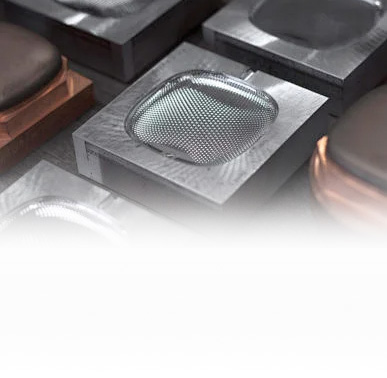
Map the Cleaning Zone and the Features to Protect
Use a marked photograph or drawing to distinguish the target deposit from the surfaces that must retain their specified condition. For injection tooling, the boundary is often more important than the total area to be cleaned.
| Area or feature | What the buyer should define |
|---|---|
| Cavity and core faces | Which surfaces carry deposit; which polished, textured or coated areas are cosmetic or functional. |
| Parting and shut-off faces | Faces and edges to protect from an unacceptable change in fit, finish or sealing. |
| Vents, gates and deep details | Visible build-up, access limits and any area that cannot be assumed clean from an external view. |
| Inserts, pins and identifiers | Removable components, ejector-pin areas, cavity numbers and markings that must remain legible. |
Indicate whether the tool is presented as a loose insert, a disassembled mould half or a complete assembly. Identify seals, sensors, plastic components and lubricated mechanisms nearby. Laser cleaning is non-contact, but the beam still needs an accessible path and removed material needs appropriate extraction. A blind passage, shadowed recess or sensitive assembly may require repositioning, disassembly or a different cleaning method. The site’s comparison of laser and other cleaning methods covers that wider choice; this guide concentrates on approving a specific mould job.
Choose a Representative Trial Area—Not Just an Easy Patch
A useful trial must answer the actual maintenance question. A clean, open flat on the back of a mould may show that a laser can remove some residue, yet say little about a textured cavity, coated insert or deposit at a vent. At the same time, do not process the most critical production surface without the mould owner’s explicit approval and an agreed disposition if the trial fails.
- Select a representative condition. Choose an area or spare insert with the relevant substrate, finish, coating and deposit; identify any differences from the production tool.
- Approve the exact trial boundary. Mark the location, permitted extent and nearby no-treatment features. A trial is an irreversible treatment, not merely an inspection.
- Record a baseline. Photograph the same identifiable area before treatment, with a scale or reference feature where useful. Keep the inspection lighting and viewing conditions consistent.
- Agree the checks and stop conditions. Decide how much residue may remain, what surface change is unacceptable and what happens if unexpected material or damage appears.
- Keep the approval traceable. Identify the tool and cavity, trial location, approved result and person authorising any extension to other surfaces. The processor should retain the trial method or parameter revision, pass count and any condition that triggers a new approval.
Experimental work on resin deposits in injection moulding found that removal response depended on the laser exposure, deposit thickness and mould surface roughness. These findings support testing the actual surface and residue, not copying a universal cleaning recipe from another mould. The published experiment used an excimer laser on thermosetting-resin burrs; its settings are not specifications for Lumen Future’s equipment or every plastic-injection tool. See the original research.
Illustrative trial plan: A removable insert has deposit on one accessible flat and around a vent, while an adjacent textured cavity face must retain its approved pattern. Start by confirming a trial location and protection plan with the tool owner. If the flat passes but the vent remains inaccessible, approval for the flat does not release the entire insert. A change to the protected texture fails the relevant trial criterion even if the deposit was removed. Record the exception and agree a revised route.
Agree Post-Cleaning Acceptance Before Processing
“No visible residue” is useful only when the inspection condition and acceptable residual state are defined. It is not a substitute for confirming the surfaces that make or release the moulded part. Establish the baseline, test method and responsible reviewer for each requirement that matters to the project.
| Acceptance item | What to agree and check |
|---|---|
| Target deposit | Identified cleaning zone, allowed residual condition and visual or other agreed inspection method. |
| Cavity finish | Comparison with the drawing or finish specification, an approved clean reference or an unaffected comparable area; use a specified texture or roughness check where applicable. |
| Functional features | Condition of parting/shut-off faces, vents, gate details, pins and markings against the mould owner’s requirements. |
| Protected surfaces | Whether specified coating, plating, polished area and adjacent components remain acceptable. |
| Disposition | Named approver and a documented decision: accept, re-clean and re-inspect, or hold for engineering review. |
Where a surface-finish measurement or microscopy is necessary, specify the measurement method, locations, reference and acceptance limit in the order. A pre-clean photograph can document a defect or trial location, but a deposit-covered area may not reveal the original texture or roughness. Do not assume that every cleaning job includes a roughness report, dimensional inspection or a certificate. An apparently bright cavity may still fail a functional or finish requirement; conversely, an existing pit is not automatically evidence of cleaning damage.
A 2026 study of release-agent removal from P20 mould steel observed a progression from incomplete film removal to substrate surface modification as the tested laser power increased. It supports validating a treatment window on the relevant tool; its laboratory settings are not universal parameters for mould cleaning.
For a plated or otherwise coated tool, define what must be retained before testing. Whether a selected layer can be cleaned without affecting the coating is a separate feasibility question, not a general property of laser cleaning. The selective coating-removal guide explains the difference between treating a chosen area and preserving a chosen layer.
Separate Cleaning Acceptance From Production Restart
There are two decisions. First, the mould owner approves—or rejects—the cleaning result against the agreed trial and post-cleaning checks. Second, the production owner confirms whether the reassembled tool and first moulded parts meet their existing process and part requirements. Passing the first decision does not automatically pass the second.
If the concern was blocked venting, sticking, burn marks on moulded parts or another cosmetic defect, the customer’s toolroom and moulding team should decide what to check on the first parts. Part appearance, dimensions, release behaviour or process stability may be relevant, depending on the original problem. Cleaning may remove a deposit without correcting a vent design, wear, resin condition or operating setting. State who will perform and approve any first-off moulding trial; it is not an automatic part of a laser-cleaning quotation.
When to Pause or Consider Another Route
Pause before wider treatment if the coating or deposit is unidentified, a critical finish has no agreed baseline, the trial changes an essential surface, or the beam and extraction cannot reach the required area. Heavy or inaccessible deposits may make another cleaning route or a combined process more appropriate. A successful trial on one insert is not automatic approval for a different coating, cavity finish or maintenance history.
Safety is part of feasibility. Laser processing can involve reflected light and airborne contaminants from the removed material. For an installed or on-site tool, access, isolation, extraction and workplace risk controls require separate assessment. Singapore’s NEA laser guidance describes optical and fume hazards, while MOM includes maintenance among work activities requiring risk assessment. This buyer’s guide is not an operating procedure or a promise of on-site service.
Injection Mould Cleaning RFQ Checklist for Singapore
For a mould-cleaning feasibility enquiry, send a compact set of information that lets the proposed trial and handling route be reviewed:
- Tool, cavity and insert identification, current drawing or tool revision, and the part produced.
- Known tool material, coating or plating, polished or textured finish, and any existing damage.
- Resin, release agent and deposit information where known, plus previous cleaning or repair.
- Overall and close-up photographs with cleaning zones, no-treatment zones and difficult-to-access details marked.
- Mould or insert dimensions, approximate weight, assembly state and which pieces can be removed.
- Proposed trial piece or permitted area, acceptance checks and the person who can approve treatment.
- Required maintenance window, Singapore handling or transport arrangements, and the planned first-off check after cleaning or reassembly.
Photographs support initial review but do not by themselves confirm suitability, hidden access or the final acceptance result. Discuss sample handling, trial charges, location and timing before dispatching a valuable tool. Lumen Future’s laser cleaning service is the starting point for a scope review, not a blanket approval to clean every mould or surface.
Frequently Asked Questions
Can an injection mould be cleaned without removing it from the machine?
Do not assume so. The answer depends on safe access, beam path, nearby components, extraction and the agreed work scope. State whether an insert can be removed or the tool can be disassembled; on-site or in-press work requires separate confirmation.
Will laser cleaning preserve a mirror finish or mould texture?
That is a target to validate, not an unconditional guarantee. Identify the finish and its approved reference, then agree a representative trial and the checks needed for that surface.
Does cleaning a blocked vent prove the mould is ready to run?
No. The vent must be accessible and its condition checked against the tool owner’s requirements. The customer must separately judge first-off parts and the wider moulding process after reassembly.
Can one successful test patch approve the whole tool?
Only for areas adequately represented by the approved trial and within the agreed scope. Different coatings, textures, deposits or access conditions may need additional review.
What if the deposit or coating is unknown?
Mark it as unknown rather than guessing. Material identification, safety review or a different test plan may be needed before processing is authorised.
Discuss a Mould Cleaning Trial
Send the tool number, mould or insert photographs, known material and coating, deposit description, marked trial area and the finish or functional features to protect. Explain the acceptance result you need and who will approve return to production. We can review whether a defined laser-cleaning trial is suitable and what scope must be confirmed before quotation.